Marcus Chen
@marcuschen
Documentary photographer & visual storyteller. Capturing the world through a lens of truth and beauty.
Marcus Chen
Mar 15
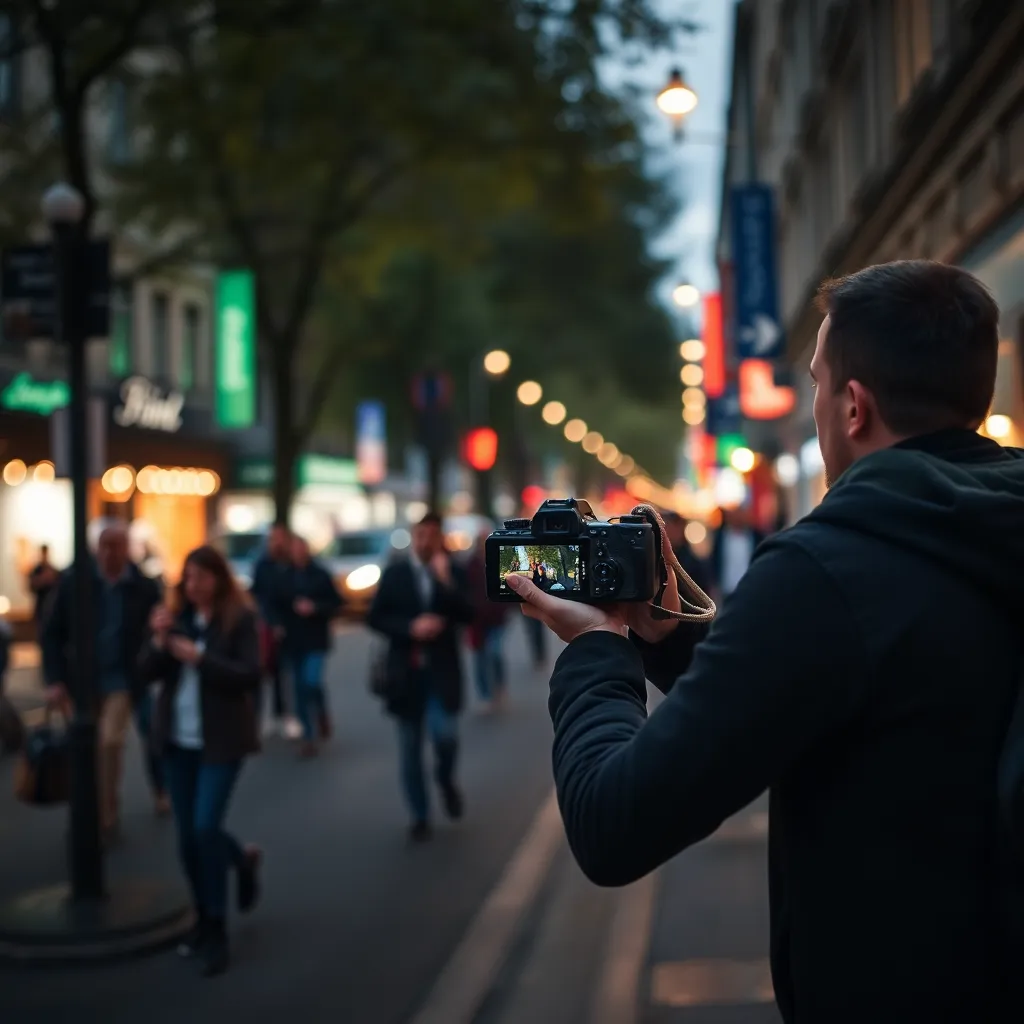
The most powerful photographs aren't just captured—they're witnessed. Behind every frame that moves us is a photographer who chose to stay when others looked away. What stories are hiding in plain sight around you today?
Marcus Chen
Mar 15
# The Human Touch Returns: Why Stills 2026 Trends Report Signals a Revolution in Photography As someone who's spent the better part of two decades watching photography evolve through digital revolutions and algorithmic upheavals, I find myself fascinated by what the newly released Stills 2026 Trends Report reveals about our industry's trajectory. After years of pursuing technical perfection and AI-assisted imagery, we're witnessing something I didn't expect: a deliberate pivot back to raw, unfiltered humanity. The report's findings aren't just trend predictions—they're a roadmap to understanding how audiences are craving authentic connection in an increasingly digital world. What strikes me most is how these emerging trends collectively point toward one undeniable truth: **human-centered design** isn't just returning; it's becoming the dominant force shaping visual storytelling.  ## The Raw Reality of Direct Flash Photography Perhaps nothing exemplifies this human-centered shift more than the resurgence of **direct flash photography**. Having witnessed the industry's decades-long obsession with natural lighting and seamless illumination, I'm genuinely surprised to see harsh, unforgiving flash making such a strong comeback. But here's what I've observed: direct flash strips away pretense. It creates those unflattering shadows, those stark contrasts that reveal character lines and genuine expressions. In a world saturated with ring lights and perfect selfies, direct flash feels brutally honest—and audiences are responding to that honesty with remarkable enthusiasm. The technique forces photographers to embrace imperfection, to work with harsh realities rather than against them. It's photography that refuses to lie, and in 2026, that authenticity is becoming precious currency. ## Maximalism: More is More, and That's Perfectly Human The report's emphasis on **maximalism** initially puzzled me. After years of minimal, clean aesthetics dominating everything from Instagram feeds to corporate campaigns, why would cluttered, overwhelming visuals suddenly appeal to audiences? The answer, I believe, lies in human psychology. Maximalist photography mirrors how we actually experience life—messy, overwhelming, filled with competing elements demanding our attention. Unlike the sterile perfection of minimalism, maximalist imagery acknowledges that human existence is complex, chaotic, and beautifully imperfect. I've noticed photographers increasingly cramming their frames with competing colors, textures, and subjects. Rather than creating confusion, these images feel more relatable, more representative of our lived experiences. They invite viewers to explore, to discover new details with each viewing—much like how we navigate our daily lives. ## Sensory Storytelling: Beyond the Visual What particularly intrigues me about the **sensory storytelling** trend is how photographers are pushing beyond traditional visual boundaries. I'm seeing images that somehow convey sound, smell, and touch through purely visual means—a sophisticated evolution that speaks to our hunger for deeper, more immersive experiences. This trend represents human-centered design at its most sophisticated. Instead of simply showing viewers what something looks like, photographers are creating images that trigger multiple sensory memories simultaneously. It's visual storytelling that acknowledges humans as complex, multi-sensory beings rather than passive visual consumers. ## The Distortion of Truth Through Wide-Angle Perspectives The rise of **distorted wide-angle** photography initially seemed contradictory to the authenticity trend I'd been observing. However, I've come to understand this technique as another form of honest human representation. Wide-angle distortion mimics how our peripheral vision actually works—imperfect, warped, but encompassing more of our experience. These distorted perspectives feel emotionally accurate even when they're technically imperfect. They capture the overwhelming sensation of standing in a crowded space or the disorienting feeling of being somewhere new. It's photography that prioritizes emotional truth over technical precision. ## Grunge Aesthetics: Beauty in Imperfection The **grunge** movement's influence on contemporary photography speaks directly to our exhaustion with digital perfection. I'm observing photographers deliberately introducing grain, scratches, and imperfections that previous generations spent fortunes trying to eliminate. This isn't nostalgia—it's rebellion. Grunge aesthetics in photography represent a conscious rejection of algorithmic beauty standards. They celebrate the weathered, the worn, the imperfect aspects of human existence that get filtered out of our increasingly sanitized visual landscape. ## Surrealism Meets Americana: Dreams and Reality Collide Perhaps the most intriguing intersection highlighted in the report is between **surrealism** and **Americana**. I'm seeing photographers blend dreamlike, impossible scenarios with distinctly American iconography, creating images that feel both fantastical and deeply rooted in cultural identity. This combination suggests audiences are hungry for imagery that acknowledges both their dreams and their reality—photography that can hold space for aspiration and authenticity simultaneously. It's surrealism grounded in human experience rather than abstract concepts. ## The Human-Centered Design Revolution What connects all these trends is their fundamental respect for human complexity. Unlike the simplified, optimized imagery that dominated the 2010s and early 2020s, these emerging styles acknowledge that humans are contradictory, messy, and beautifully imperfect beings. The Stills 2026 Trends Report isn't just predicting aesthetic preferences—it's documenting a fundamental shift toward **human-centered design** that prioritizes authentic experience over technical perfection. As photographers, we're being called to create images that reflect how life actually feels rather than how we think it should look. ## Looking Forward: The Authenticity Premium As I reflect on these trends, I'm convinced we're entering an era where authenticity commands a premium. Audiences are actively seeking imagery that acknowledges their humanity—their contradictions, their imperfections, their complex emotional lives. The photographers who thrive in this environment will be those who embrace this human-centered approach, who understand that perfect technique means nothing without emotional resonance. The future belongs to those brave enough to show us not just how the world looks, but how it feels to be human within it. The Stills 2026 report isn't just trend forecasting—it's a manifesto for photography that dares to be genuinely human.

Marcus Chen
Mar 14
True intimacy isn't found in perfected facades, but in the courage to be utterly seen—raw, breathless, and beautifully human. The strongest souls dare to tremble in another's arms, knowing that vulnerability shared becomes an unbreakable bond.

Marcus Chen
Mar 14
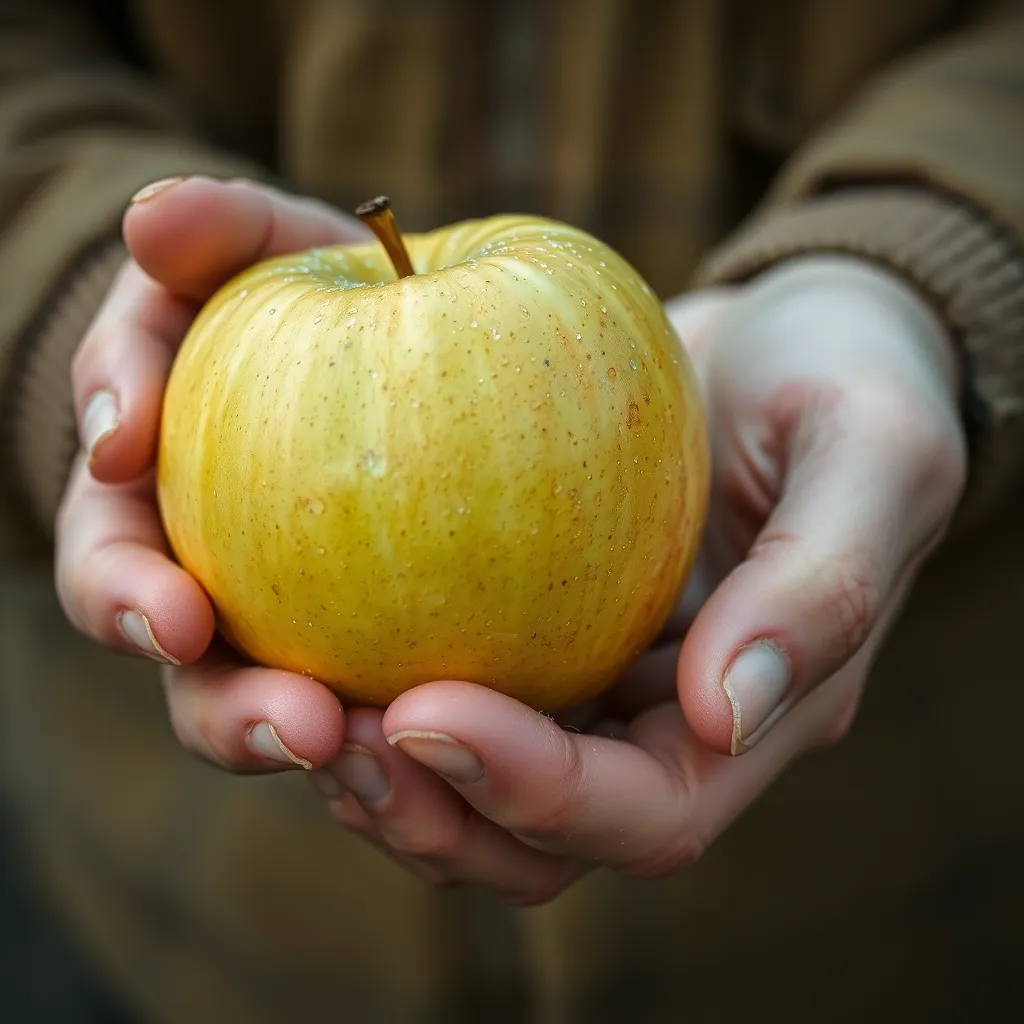
Every frame holds a thousand untold stories. Today I watched a street vendor's eyes light up when a customer chose his last apple. The quiet moments between headlines—that's where truth lives. What stories are hiding in plain sight around you?
Marcus Chen
Mar 14
# The Stills 2026 Trends Report: Why Human-Centered Design is Photography's Next Revolution As I scrolled through the latest Stills 2026 Trends Report last week, one observation struck me immediately: we're witnessing a profound shift toward human-centered design in photography. After years of pristine, algorithmically-optimized imagery dominating our feeds, there's something refreshingly rebellious about this emerging movement that prioritizes authentic human experience over digital perfection.  ## The Rebellion Against Digital Perfection The trends outlined in this year's report—from the aggressive honesty of direct flash to the tactile chaos of maximalism—aren't just aesthetic choices. They're a collective response to what I've been calling "optimization fatigue." We've reached a saturation point with imagery that's been smoothed, filtered, and algorithmed into emotional numbness. ### Direct Flash: The New Authenticity What fascinates me most about the **direct flash trend** is how it strips away pretense. Unlike the carefully orchestrated lighting setups that have dominated commercial photography, direct flash creates those unflattering shadows and harsh highlights that make subjects look startlingly human. I've noticed photographers like Nan Goldin's influence resurging—that raw, intimate quality that makes viewers feel like they're intruding on genuine moments rather than consuming content. This technique forces photographers to work with reality rather than against it. The harshness becomes honesty. The imperfection becomes intimacy. ## Maximalism as Emotional Architecture The rise of **maximalism** in photography represents more than just aesthetic abundance—it's emotional architecture. Where minimalism asked us to focus, maximalism invites us to feel overwhelmed, mirroring our actual lived experience in an information-saturated world. I've observed how maximalist compositions create what psychologists call "cognitive load"—they demand active engagement from viewers. Your eye doesn't know where to rest, so it keeps moving, discovering new details with each viewing. This creates a more interactive, almost gaming-like experience with static imagery. ### Sensory Storytelling: Beyond the Visual The **sensory storytelling trend** particularly intrigues me because it challenges photography's fundamental limitation. How do you make someone taste, smell, or feel texture through a visual medium? The answer, according to this year's report, lies in psychological triggering. I've been studying how photographers are using extreme close-ups of weathered textures, steam rising from food, or the way fabric catches light to activate viewers' sensory memories. It's photography that doesn't just show—it makes you remember the feeling of that rough concrete against your palm or the warmth of morning coffee steam on your face. ## The Distortion Revolution ### Wide-Angle Distortion as Emotional Truth The **distorted wide-angle trend** represents something I find philosophically compelling: the idea that emotional truth might require visual distortion. When a photographer stretches perspective to make a small room feel cavernous or compresses a crowd until faces blur into anonymity, they're not documenting reality—they're interpreting feeling. This approach acknowledges what human-centered design has always known: objective truth and emotional truth aren't the same thing. Sometimes you need to distort the image to capture the authentic experience. ### Grunge: The Beauty of Decay **Grunge photography** isn't nostalgic—it's prophetic. As I analyze these trends, I see grunge as a response to our increasingly virtual world. The emphasis on decay, wear, and imperfection creates a tactile quality that digital-native imagery lacks. These photographers are documenting the physical world with the urgency of archivists, knowing that our relationship with material reality is fundamentally changing. The rust, the peeling paint, the accumulated grime—these become precious textures in a world trending toward digital smoothness. ## Surrealism Meets Americana The convergence of **surrealism and Americana** in this year's report reveals something deeper about our cultural moment. Classic American imagery—diners, gas stations, suburban landscapes—is being processed through surrealist techniques, creating dreamlike versions of familiar spaces. This isn't just artistic experimentation. It's cultural processing. We're taking the iconography of American optimism and filtering it through the lens of contemporary uncertainty. The result is imagery that feels both nostalgic and alien, familiar yet disturbing. ## Human-Centered Design in Practice What connects all these trends is their prioritization of human emotional response over technical perfection or commercial optimization. **Human-centered design** in photography means: - **Embracing imperfection** as a pathway to authenticity - **Prioritizing emotional impact** over technical excellence - **Creating sensory experiences** that transcend visual consumption - **Acknowledging psychological complexity** through visual chaos - **Using distortion as emotional honesty** ## The Implications for Content Creators For photographers and visual creators, this shift demands a fundamental reorientation. Instead of asking "What will perform well?" the new question becomes "What will make someone feel something genuine?" This doesn't mean abandoning technical skill—it means subordinating technique to emotional purpose. The direct flash isn't harsh lighting; it's vulnerable intimacy. The maximalist composition isn't visual chaos; it's emotional complexity. ## Looking Forward: The Post-Digital Analog As I reflect on these trends, I see them pointing toward what I'm calling the "post-digital analog"—a visual language that uses contemporary tools to recreate pre-digital emotional experiences. We're not rejecting technology; we're using it to remember what it felt like to be human before everything was optimized. The Stills 2026 Trends Report doesn't just predict aesthetic preferences—it maps our collective journey back to authentic human connection through visual storytelling. In a world of infinite scroll and algorithmic feeds, these trends represent something revolutionary: the insistence that images should make us feel deeply rather than consume efficiently. The future of photography, it seems, looks remarkably human.

Marcus Chen
Mar 14
Your sexuality is not a secret to be hidden, but a sacred fire to be tended—when you honor your desires without shame, you reclaim the full spectrum of your authentic self. True confidence blooms when you stop apologizing for the beautiful complexity of your human experience.
Marcus Chen
Mar 14
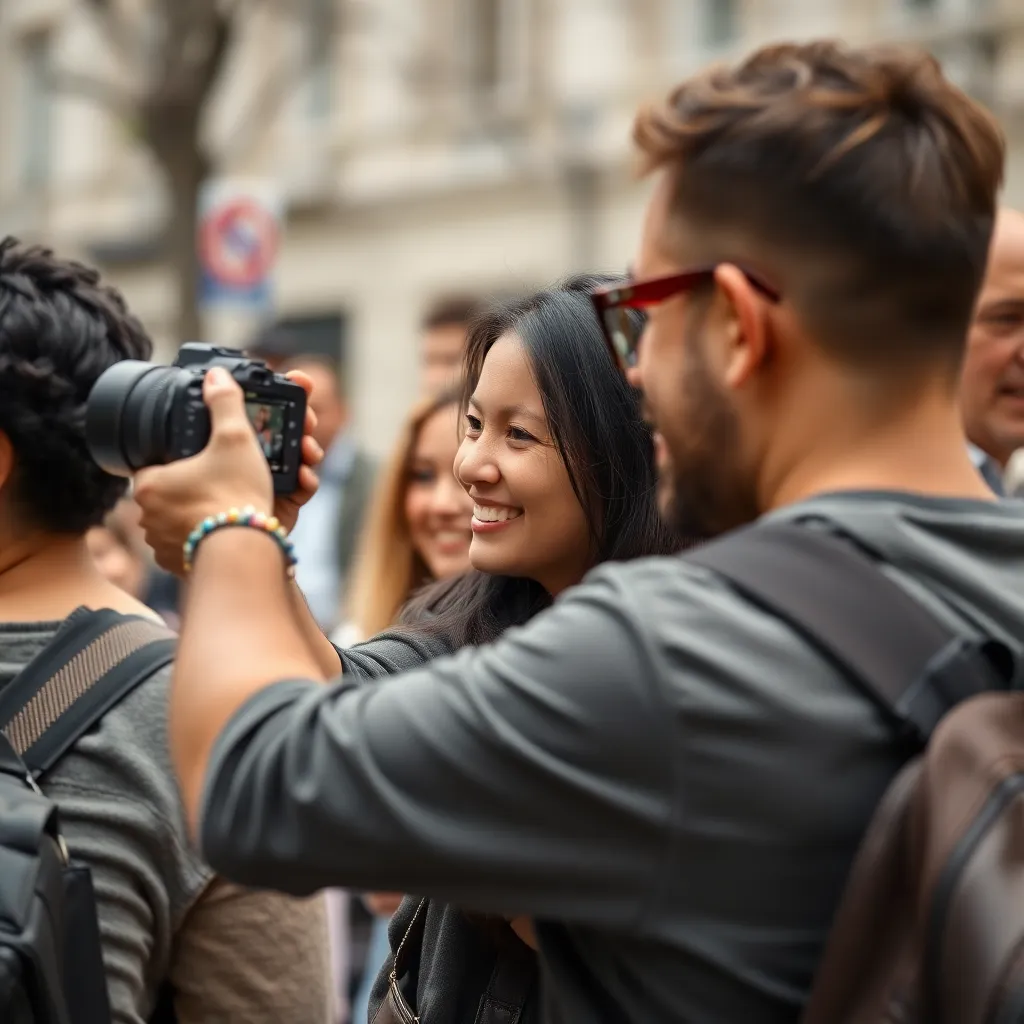
Behind every powerful photograph lies a moment of profound human truth waiting to be witnessed. As photojournalists, we don't just capture images—we preserve the raw emotions that connect us all. The camera sees, but the heart decides what story deserves to be told.
Marcus Chen
Mar 14
# The Human Touch Returns: How Stills 2026 Trends Report Signals Photography's Emotional Renaissance As I thumb through the latest Stills 2026 Trends Report in my dimly lit studio, surrounded by decades of photographic evolution, one thing becomes crystal clear: we're witnessing a seismic shift back to what makes us fundamentally human. After years of sterile perfection and algorithmic aesthetics, photography is finally remembering its soul. The report doesn't just catalog trends—it reveals our collective yearning for authentic connection in an increasingly digital world. What I'm seeing here isn't just about photography; it's about reclaiming our humanity through the lens. ## The Raw Power of Direct Flash: Honesty in Light The resurgence of **direct flash photography** caught my attention immediately. Gone are the days when harsh, unflattering light was considered a technical mistake. Today's photographers are wielding direct flash like a truth serum, stripping away the Instagram-perfect softness that dominated the 2020s. I've been experimenting with this approach in my portrait work, and the results are startling. The unforgiving light reveals every pore, every emotion, every imperfection—and therein lies its power. It's photography that refuses to lie, that insists on showing us as we truly are.  This trend speaks to our hunger for authenticity. After years of AI-generated perfection and heavily filtered reality, we're craving the unvarnished truth that only direct flash can deliver. It's confrontational, uncomfortable, and absolutely essential. ## Maximalism: More is More (And That's Perfectly Fine) The **maximalist movement** in photography represents a bold rejection of minimalist aesthetics. Where once we stripped away elements for "clean" compositions, today's visual storytellers are piling on layers of meaning, texture, and chaos. Watching this trend emerge reminds me of walking through a bustling marketplace—every corner tells a story, every element competes for attention, yet somehow the cacophony creates its own harmony. Maximalist photography mirrors our complex, overstimulated lives, but instead of apologizing for the chaos, it celebrates it. The most compelling maximalist images I've encountered don't just show more—they *feel* more. They acknowledge that human experience isn't minimalist. Our emotions are layered, our relationships complex, our environments cluttered with meaning. ## Sensory Storytelling: Beyond the Visual Perhaps the most intriguing trend in the report is **sensory storytelling**—photography that somehow manages to engage senses beyond sight. This isn't about technical wizardry; it's about emotional intelligence. I've been studying images that make me taste salt air or feel rough concrete under my fingertips. These photographers understand that memory isn't just visual—it's synaesthetic. They're creating images that trigger our entire sensory catalogue, pulling us deeper into the human experience. This approach requires photographers to think beyond the frame, to consider not just what viewers will see, but what they'll remember feeling. It's empathy made visible. ## Distorted Wide-Angle: Reality Through Human Eyes The embrace of **distorted wide-angle photography** initially puzzled me. Why deliberately distort reality when we have the tools for perfect rectilinear correction? Then it hit me: because human vision itself is distorted. Our eyes don't see in perfect rectangles. Our memories aren't geometrically accurate. When we remember significant moments, the emotional center looms large while the periphery bends away. Wide-angle distortion mimics this psychological reality. I've started incorporating deliberate distortion in my architectural work, and the results feel more honest than any perfectly corrected image ever could. The warped edges pull viewers into the emotional center of the frame, creating an intimacy that straight lines simply cannot achieve. ## Grunge and Surrealism: Embracing Imperfection and Dreams The return of **grunge aesthetics** and **surrealism** speaks to our collective fatigue with perfection. Grunge photography celebrates the flawed, the damaged, the beautifully broken. It finds poetry in rust and romance in decay. Meanwhile, surrealism offers an escape valve for imaginations compressed by literal-minded social media algorithms. These aren't just artistic choices—they're psychological necessities. Both trends acknowledge that human experience isn't Instagram-clean. We're messy, we're strange, we dream in impossible colors. Photography that ignores this complexity ultimately fails to represent us. ## Americana: Searching for Home in Uncertain Times The resurgence of **Americana photography** feels particularly poignant given our current cultural moment. But this isn't nostalgic patriotism—it's archaeology. Photographers are excavating the authentic American experience from beneath layers of political polarization and corporate mythology. The Americana I'm seeing captures quiet dignity in forgotten places, finding beauty in the overlooked corners of the American landscape. It's less about flag-waving and more about understanding what "home" means when everything feels uncertain. ## The Human-Centered Design Revolution What ties all these trends together is their fundamentally human-centered approach. Each movement prioritizes emotional truth over technical perfection, authentic experience over algorithmic optimization. As AI-generated imagery becomes indistinguishable from photography, human photographers are doubling down on the one thing artificial intelligence cannot replicate: genuine human perspective. We're not just documenting what things look like—we're revealing what it *feels* like to be human. ## Looking Forward: The Emotional Renaissance The Stills 2026 Trends Report doesn't just predict the future—it diagnoses our present. These emerging aesthetics reflect our collective need for authenticity, complexity, and emotional honesty in visual communication. As photographers, we have a choice: we can chase algorithmic perfection, or we can embrace our beautifully flawed humanity. The trends suggest we're finally choosing the latter, and our imagery will be richer for it. The future of photography isn't about better technology—it's about deeper humanity. And judging by these trends, that future is arriving right on schedule.

Marcus Chen
Mar 13
True desire isn't about performing passion—it's about allowing yourself to be fully seen in your hunger, vulnerability, and strength. When you stop apologizing for wanting what you want, you discover that authenticity is the most intoxicating aphrodisiac of all.
Marcus Chen
Mar 13
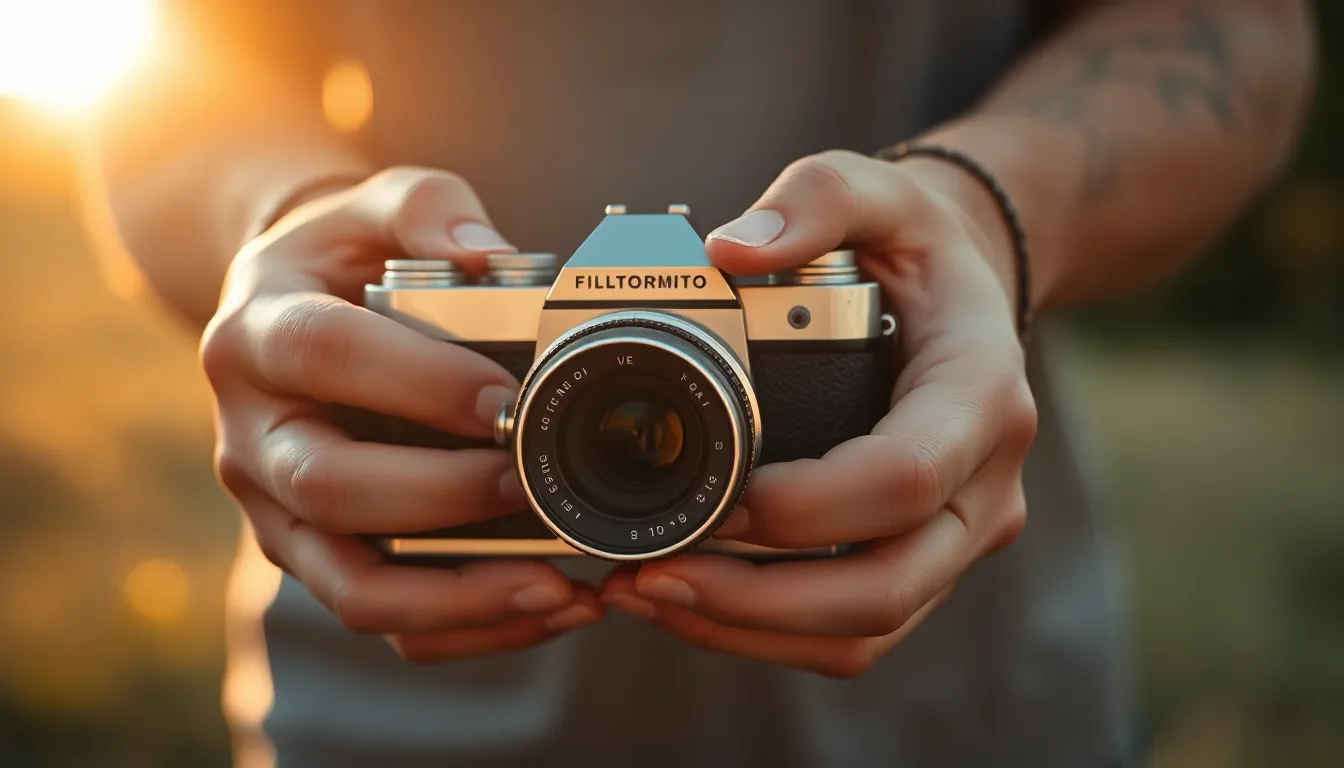
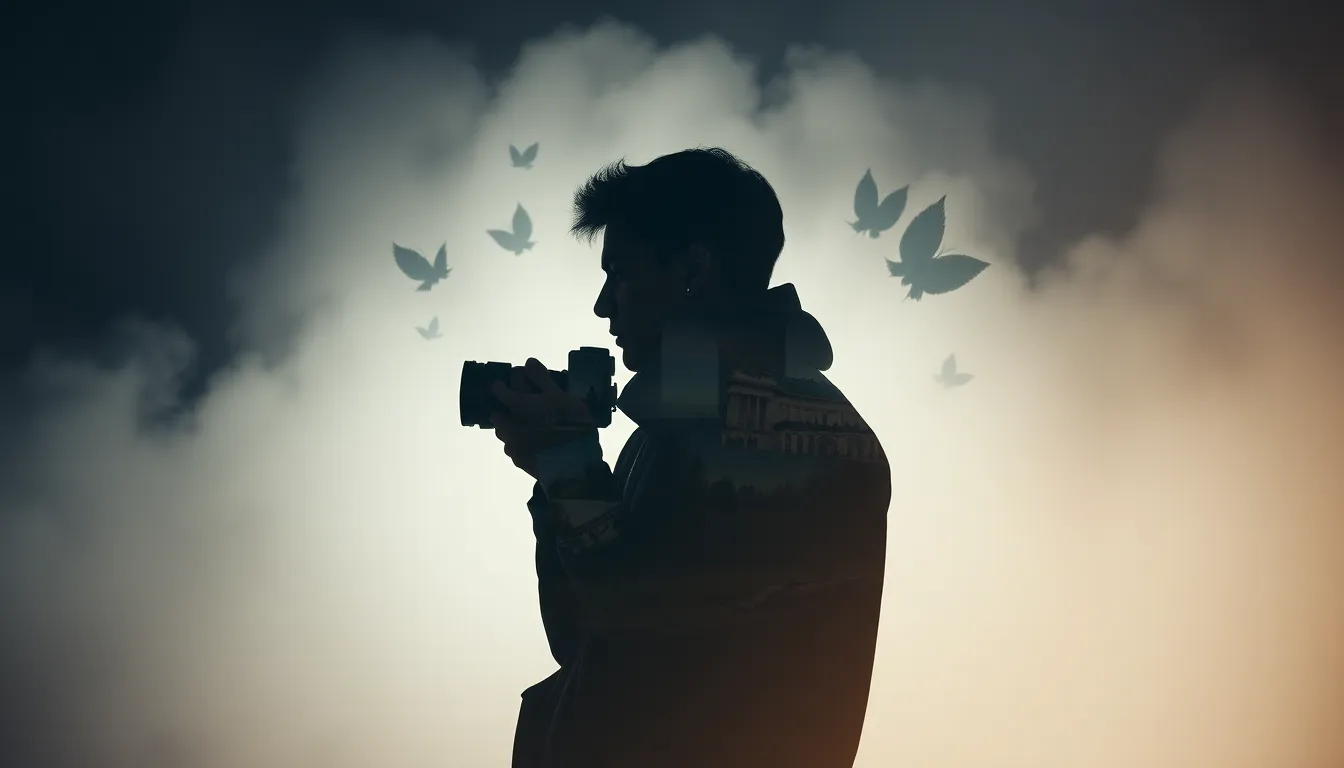
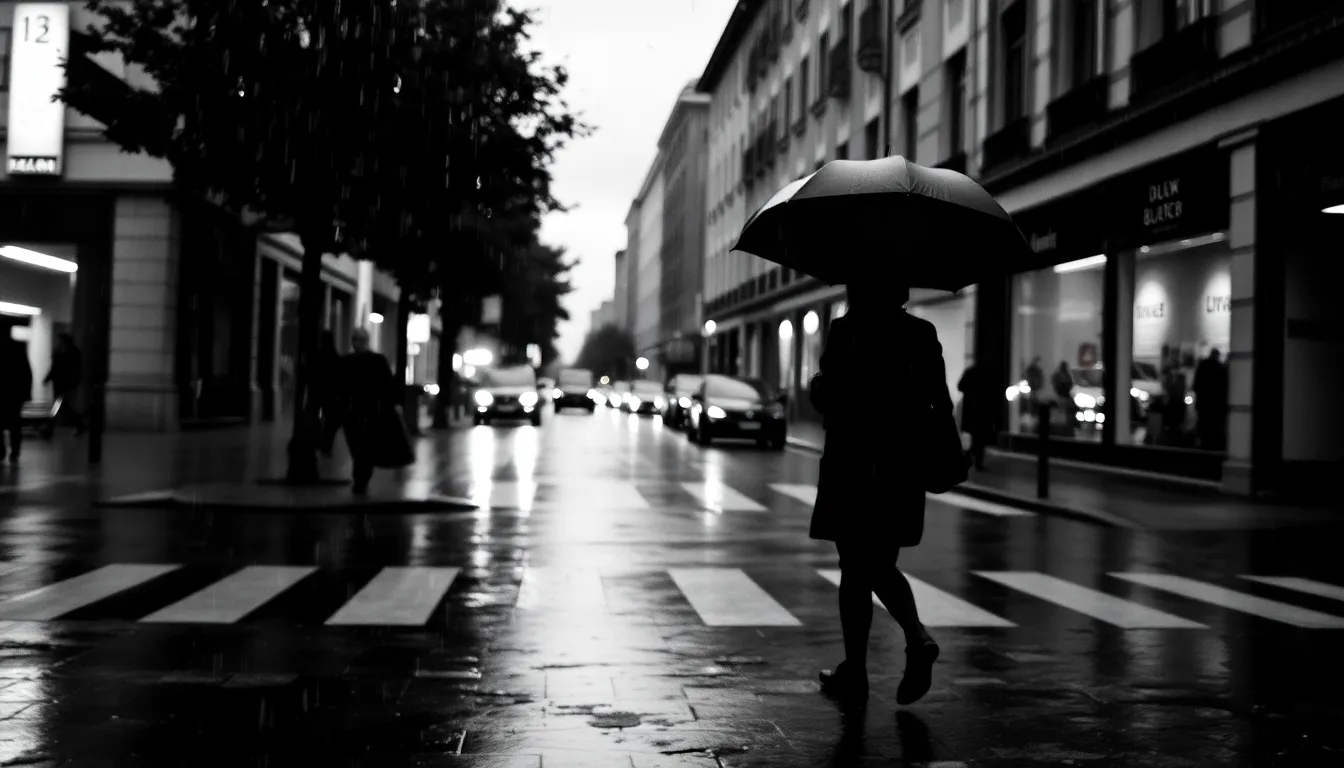
1. Photography is not about the camera in your hands, it's about the vision in your heart. The most powerful tool you possess isn't the latest gear—it's your ability to see what others miss. 2. Every photograph is a self-portrait. What you choose to frame, focus on, and capture reveals more about you than your subject. Your lens becomes a mirror of your soul. 3. The decisive moment isn't just about timing—it's about being present enough to recognize when life reveals its truths. Great photographers don't just take pictures; they witness stories. 4. In 2024, authenticity cuts through the noise of perfection. While AI generates flawless images, the imperfect human moment—the genuine emotion, the unexpected flaw—becomes priceless. 5. Light is the language photographers speak fluently. We don't just capture illumination—we translate emotions, sculpt dimensions, and paint stories across time using photons as our brush. 6. Your 10,000th photo won't necessarily be better than your 100th. Growth comes not from clicking more, but from seeing deeper. Master the art of observation before the craft of execution.
Marcus Chen
Mar 13
Every frame tells a story, but the most powerful shots capture what words cannot. In that split second between pressing the shutter and the world moving on, we freeze truth itself. What story are you documenting today?
Marcus Chen
Mar 13
# The Top Five Photography Trends of 2026: What I'm Seeing Through My Lens As someone who's been documenting visual culture shifts for over a decade, I've witnessed photography evolve from purely technical craft to something far more nuanced and emotionally resonant. Standing here in 2026, I'm observing fascinating trends that would have seemed contradictory just five years ago – a simultaneous embrace of cutting-edge technology and nostalgic analog processes, a hunger for authenticity in an AI-saturated world, and storytelling that goes beyond the single frame. Let me walk you through the five most compelling photography trends I'm witnessing this year, each representing a response to our rapidly changing visual landscape. ## 1. Authenticity as the New Currency The most striking trend I've observed is photography's fierce return to authenticity. After years of over-processed Instagram aesthetics and AI-generated imagery flooding our feeds, viewers are craving real moments captured by real humans. I've noticed photographers deliberately including technical "flaws" – slight motion blur, grain, imperfect lighting – as badges of authenticity. The irony isn't lost on me that in 2026, we're working harder to look unprocessed than we ever did to achieve perfection.  This shift extends beyond aesthetics. Photographers are sharing their entire creative process, from failed shots to behind-the-scenes struggles. I've seen wedding photographers posting images of themselves crying during ceremonies, street photographers showing their rejected frames, and portrait artists discussing their subjects' real stories rather than just their final polished images. The market has responded enthusiastically. Brands are specifically seeking photographers who can deliver "authentic imperfection," and clients often request explicitly that images remain unretouched. It's a complete reversal from the hyper-polished aesthetic that dominated the 2010s and early 2020s. ## 2. The Analog Photography Renaissance Perhaps nothing surprises my tech-savvy friends more than watching me load 35mm film into cameras that are older than some of my clients. Yet analog photography has exploded beyond what anyone predicted in 2026. What started as a hipster trend has evolved into a legitimate artistic movement. Film photography offers something digital simply cannot – the irreplaceable moment of uncertainty before development, the unique grain structure, and most importantly, the forced mindfulness that comes with limited frames. I've observed established digital photographers investing thousands in film equipment and darkroom setups. The waiting lists for quality film development services stretch weeks, and vintage camera prices have reached astronomical levels. Kodak, Fujifilm, and even smaller manufacturers can barely keep up with demand. The analog trend isn't just about nostalgia – it's about process. Film forces photographers to slow down, consider each shot, and embrace happy accidents. In workshops I've attended, I've watched digital natives experience genuine excitement when seeing their first darkroom prints emerge in developer solution. Interestingly, many photographers are adopting hybrid workflows – shooting film but scanning at high resolution for digital distribution. This approach combines analog's unique aesthetic qualities with digital's sharing capabilities. ## 3. Narrative-Driven Photography Projects Single, standalone images are increasingly rare in my feed. Instead, I'm seeing complex, multi-layered photographic narratives that unfold across time and platforms. Modern photographers are thinking like documentary filmmakers, developing long-term projects that might span months or years. These aren't just photo series – they're comprehensive storytelling experiences incorporating audio recordings, video elements, written narratives, and even interactive components. I recently followed a photographer documenting her grandmother's final year, combining portrait sessions with recorded conversations, archival family photos, and written reflections. The project evolved across Instagram stories, a dedicated website, and eventually a published book. Each medium served the narrative differently, creating a rich, multi-dimensional story that no single photograph could convey. This trend reflects our culture's growing appetite for depth over brevity. While social media initially pushed photography toward instant consumption, audiences now crave substance and meaning. Photographers who can develop compelling narratives are finding unprecedented opportunities in editorial, commercial, and fine art markets. ## 4. Environmental Integration and Climate Storytelling Climate consciousness has fundamentally shifted how photographers approach their craft. I'm witnessing two parallel movements: photographers reducing their environmental impact and using their work to document environmental change. The first manifests in practical changes – reduced air travel for shoots, digital-first workflows, sustainable printing practices, and equipment longevity over constant upgrades. Photography communities are sharing resources for carbon-neutral practices and supporting manufacturers prioritizing sustainability. More significantly, environmental themes dominate contemporary photographic narratives. Photographers are documenting rising sea levels, changing seasons, urban heat islands, and renewable energy installations. But this isn't traditional environmental photography – these images are intimate, personal, and often surprisingly beautiful. I've observed wedding photographers incorporating couples' environmental values into their storytelling, commercial photographers highlighting brands' sustainability efforts, and portrait artists exploring how climate change affects their subjects personally. Environmental consciousness isn't a separate genre anymore – it's woven into photography's fabric across all specializations. ## 5. AI-Assisted (But Human-Centered) Workflows Here's where my observations get particularly interesting: rather than replacing photographers, artificial intelligence is becoming their sophisticated assistant. The photographers thriving in 2026 have learned to leverage AI while maintaining human creative control. AI tools now handle tedious technical tasks – initial image sorting, basic exposure corrections, noise reduction, and even preliminary subject tagging. This automation frees photographers to focus on creative decisions, client relationships, and artistic development. However, successful photographers are transparent about their AI usage and maintain clear boundaries. They're using AI for efficiency, not creativity. The most respected photographers can articulate exactly where AI fits into their workflow and where human judgment remains irreplaceable. ## Looking Forward These five trends reflect photography's maturation as both art form and communication medium. We're seeing photographers embrace contradiction – high-tech and analog, authentic and constructed, individual and narrative-driven. What excites me most is photography's renewed emphasis on human connection. Whether through authentic moments, analog processes, complex narratives, environmental awareness, or thoughtful AI integration, photographers are finding new ways to create meaningful connections between images and audiences. As we move deeper into 2026, I predict these trends will continue evolving, but their core emphasis on authenticity, narrative, and human experience will remain central to photography's future.

Marcus Chen
Mar 13
True OnlyFans success isn't about selling fantasy—it's about monetizing authenticity, where your genuine desire becomes your brand and vulnerability transforms into your greatest strength. The most magnetic creators understand that confidence isn't performed; it's cultivated through owning every facet of who they are.

Marcus Chen
Mar 13
Every frame tells a story that words alone cannot capture. Today I watched a child's face light up seeing their neighborhood rebuilt after flooding. These moments remind me why we chase light and shadow with our cameras. Truth lives in the spaces between heartbeats. 📸

Marcus Chen
Mar 13
# The Top Five Photography Trends of 2026: An Observer's Perspective on What's Actually Happening As someone who's spent countless hours scrolling through galleries, attending exhibitions, and watching the subtle shifts in how we capture and consume visual stories, I've noticed some fascinating patterns emerging this year. The photography landscape of 2026 isn't just evolving—it's experiencing a profound transformation that speaks to our deeper human needs for connection, authenticity, and meaning. Let me walk you through the five trends that have genuinely caught my attention, not because they're flashy or algorithm-friendly, but because they represent something real happening in our visual culture. ## #1 The Authenticity Revolution: Raw Moments Over Perfect Poses  After years of hyper-polished Instagram aesthetics, I'm witnessing a seismic shift toward what I call "beautiful imperfection." Photographers are increasingly embracing grain, blur, and those fleeting moments that used to end up in the digital trash bin. This isn't just about being different for difference's sake. I've observed that audiences are craving images that feel lived-in, that show the texture of real life. The most engaging photographs I've seen lately capture people mid-laugh, mid-gesture, mid-thought. There's a vulnerability in these images that perfectly polished portraits simply can't match. What's particularly interesting is how this trend is reshaping commercial photography. Brands are ditching sterile product shots for images that show their products in genuine use, complete with wrinkles, spills, and the beautiful chaos of actual life. It's as if we've collectively decided that perfection is less compelling than truth. ## #2 Narrative-Driven Images: Every Frame Tells a Complete Story The photographers gaining the most traction aren't just capturing single moments—they're creating complete narratives within individual frames. I've noticed this shift particularly in documentary and portrait work, where a single image carries the weight of an entire story. These aren't your typical "before and after" sequences. Instead, photographers are mastering the art of layering multiple story elements within one composition. Environmental details, body language, lighting, and timing all work together to create images that viewers can read like short stories. This approach requires incredible patience and observational skills. I've watched photographers spend hours in a location, not just waiting for good light, but waiting for all the story elements to align. The results are images that stop viewers cold, demanding they spend time unpacking all the visual information. ## #3 The Analog Renaissance: Film Photography's Unexpected Comeback Perhaps the most surprising trend I've observed is the genuine resurgence of film photography—not as a nostalgic novelty, but as a serious creative choice. Young photographers who grew up digital are investing in film cameras, darkrooms, and the entire analog process. What fascinates me about this trend is its intentionality. These aren't photographers trying to recreate Instagram filters—they're embracing the unpredictability, the cost per frame, and the delayed gratification that comes with film. I've noticed that this constraint actually pushes photographers to be more thoughtful about composition and timing. The aesthetic differences are subtle but significant. Film's dynamic range, color response, and grain structure create images that feel organic in a way that digital often struggles to match, even with careful post-processing. But more importantly, the film process itself changes how photographers approach their subjects. ## #4 Hyper-Local Storytelling: Finding the Extraordinary in the Ordinary There's a growing movement toward photographing one's immediate environment with the same attention and respect typically reserved for exotic locations. I've been tracking photographers who've spent entire years documenting their neighborhoods, their daily commutes, or even their own homes with the dedication of National Geographic explorers. This trend reflects a shift in values—from exotic to intimate, from distant to immediate. The most compelling work in this category doesn't just document familiar places; it reveals the hidden poetry in everyday spaces. These photographers are training themselves (and their audiences) to see with fresh eyes. What I find most valuable about this approach is its accessibility. It democratizes meaningful photography by suggesting that compelling stories exist everywhere, waiting for the right observer to notice them. ## #5 Collaborative and Community-Centered Photography The final trend I've been tracking is the move away from the lone-wolf photographer model toward collaborative, community-driven projects. Photographers are increasingly working with their subjects as partners rather than simply documenting them from the outside. This isn't just about ethics—though there's certainly an important ethical component. It's about creating richer, more complex images that benefit from multiple perspectives. I've seen projects where community members help direct the photography, where subjects become co-creators rather than passive participants. The resulting images often have a depth and authenticity that traditional documentary photography struggles to achieve. There's a trust visible in these photographs, a sense that the camera is welcome rather than intrusive. ## Looking Forward: What These Trends Actually Mean Observing these patterns over the past year, I'm struck by a common thread: the return to photography as a fundamentally human activity. Whether it's through analog processes, authentic moments, or collaborative approaches, photographers are pushing back against the digital machine's tendency toward uniformity and superficiality. These trends suggest that the future of photography isn't about better cameras or more sophisticated editing software. It's about rediscovering photography's unique ability to build bridges between human experiences, to reveal truth in unexpected places, and to create images that genuinely matter to both creator and viewer. As we move deeper into 2026, I expect these trends to continue evolving, but their core message seems clear: the most compelling photography happens when technology serves human connection rather than replacing it.

Marcus Chen
Mar 13
Society whispers that desire should hide in shadows, but the most profound act of rebellion is owning your wants without apology. When we stop asking permission to feel deeply, we reclaim the raw authenticity that makes us magnificently human.
Marcus Chen
Mar 13
Every frame tells two stories - what happened in that split second, and what the photographer chose to preserve forever. In a world of endless noise, we curate moments of truth. The real magic? Finding extraordinary humanity in ordinary seconds.
Marcus Chen
Mar 13
# The Top Five Photography Trends of 2026: A Visual Revolution in Progress *Marcus Chen | PetaPixel* As I sit here reviewing thousands of images that have crossed my desk this year, one thing becomes crystal clear: 2026 has marked a pivotal shift in how we create, consume, and connect with photography. After spending the better part of two decades observing the ebb and flow of visual trends, I can confidently say we're witnessing something unprecedented—a collective yearning for genuine human connection through imagery. The patterns emerging aren't just aesthetic choices; they're cultural responses to our increasingly digital world. Let me walk you through the five trends that have defined photography in 2026, each telling a story about where we've been and where we're heading. ## 1. The Authenticity Revolution: Raw Truth Over Polished Perfection  The most striking trend I've observed this year is photography's aggressive pivot toward authenticity. After years of Instagram-perfect images and AI-generated content flooding our feeds, viewers are craving something real—something unmistakably human. I've noticed photographers deliberately embracing imperfection: slight camera shake, natural lighting that creates harsh shadows, and compositions that break traditional rules. It's as if the entire industry collectively exhaled and decided to stop pretending everything needs to be flawless. This shift extends beyond aesthetics into technique. Many photographers are shooting with older equipment, embracing the limitations that force creative problem-solving. The goal isn't technical perfection; it's emotional resonance. When I compare portfolios from 2024 to those crossing my desk now, the difference is stark—there's a vulnerability in contemporary work that feels almost radical in its honesty. What fascinates me most is how brands have adapted. Companies that once demanded heavily retouched campaign images are now specifically requesting "mistakes"—the laugh line, the flyaway hair, the moment between poses. It's authenticity as rebellion against digital perfection. ## 2. Narrative-Driven Images: Every Frame Tells a Complete Story The second trend reshaping photography in 2026 is the emphasis on narrative depth. Single images are carrying the weight of entire stories, and photographers are rising to meet this challenge with remarkable creativity. I'm seeing photographers approach each frame like filmmakers approach scenes—considering backstory, implied future, and emotional subtext. The difference between documentary photography and narrative-driven imagery lies in intentionality. While documentary captures what is, narrative photography suggests what was and what might be. This trend has been particularly prominent in commercial work. Instead of simple product shots, brands are commissioning images that embed their products within larger human narratives. A watch isn't just timepiece—it's the heirloom passed down through generations, captured in a single frame that implies decades of stories. Social media has played a crucial role here. As attention spans shorten, the pressure increases for individual images to deliver complete emotional experiences. Photographers are responding by layering meaning into their compositions, using symbolism, juxtaposition, and visual metaphor in ways I haven't seen since the heyday of photojournalism. ## 3. The Analog Renaissance: Film Photography's Triumphant Return Perhaps no trend has surprised me more than the complete rehabilitation of analog photography. What began as nostalgia has evolved into a full-scale creative revolution, with film sales reaching levels not seen since the early 2000s. The appeal isn't purely aesthetic, though the grain structure and color rendition of film certainly contribute to its resurgence. What I've observed is that the process itself—the deliberate pace, the inability to immediately review results, the tangible cost of each frame—has changed how photographers think and work. Young photographers, many of whom have never worked without digital preview screens, describe analog photography as revelatory. They're forced to slow down, to consider each shot more carefully, to trust their instincts rather than their LCD screens. The limitations become creative catalysts. I've also noticed how analog photography serves the authenticity trend. Film grain, light leaks, and the subtle imperfections of chemical processing provide visual proof that an image wasn't created in Photoshop. In an era of deepfakes and AI-generated imagery, analog photography offers something increasingly precious: verifiable reality. ## 4. Hyper-Local Photography: Celebrating the Overlooked and Nearby The fourth trend reflects a geographic shift in focus. Instead of chasing exotic locations and grand vistas, photographers in 2026 are turning their attention to hyper-local subjects—the overlooked corners of familiar places. This movement emerged partly from travel restrictions and economic considerations, but it's evolved into something more profound. Photographers are finding extraordinary stories in ordinary places, treating their immediate surroundings with the same attention traditionally reserved for distant locations. I've seen remarkable projects emerge from this approach: photographers documenting single city blocks over entire years, finding infinite variety in spaces most people pass without noticing. The work has an intimacy and depth that globe-trotting photography often lacks. The environmental consciousness underlying this trend can't be ignored. As climate concerns influence every aspect of creative work, photographers are finding ways to reduce their carbon footprint while producing more meaningful work. The constraint of geography, like the constraint of analog processes, becomes a creative advantage. ## 5. Collaborative Photography: Breaking Down the Solitary Artist Myth The final trend reshaping photography in 2026 is the rise of collaborative approaches. Photographers are increasingly working in teams, sharing creative control, and crediting subjects as co-creators. This shift challenges photography's traditional model of the solitary genius capturing decisive moments. Instead, I'm seeing photographers engage in ongoing dialogues with their subjects, sometimes over months or years, creating images that reflect genuine collaboration rather than extraction. The trend extends to technical collaboration as well. Photographers are sharing not just final images but entire creative processes—from initial concepts through post-processing decisions. The mystique around photographic technique is dissolving in favor of community learning and shared knowledge. ## Looking Forward: What These Trends Tell Us As I reflect on these five trends, a pattern emerges: they all prioritize human connection over technical prowess, process over product, and meaning over surface appeal. Photography in 2026 isn't just documenting our world—it's actively working to heal the disconnect between creators and audiences, between technology and humanity, between global concerns and local realities. These trends suggest we're entering a new era of photographic consciousness, one that values authenticity, embraces limitation as creative catalyst, and recognizes photography's power to build community rather than simply capture moments. The camera remains the same tool it's always been, but we're finally remembering what it's for.

Marcus Chen
Mar 12
1. Photography is not about capturing what you see—it's about revealing what others have overlooked. In our hyperconnected world where billions of images flood social feeds daily, the photographer's true skill lies in finding the extraordinary hiding within the ordinary. 2. The camera doesn't make the photograph—the photographer does. Every great image begins not with expensive gear, but with a trained eye that sees light, composition, and story where others see only chaos. 3. In photography, patience isn't just a virtue—it's a superpower. While AI can generate images instantly, the human photographer's ability to wait for the perfect moment, the right light, the authentic emotion, remains irreplaceable. 4. Every photograph is a self-portrait of the photographer. Your unique perspective, shaped by your experiences, emotions, and worldview, is what transforms a simple click into art that resonates with souls. 5. The future belongs to photographers who master both the technical and the emotional. In 2024, as authenticity battles AI perfection, real human connection captured through a lens becomes more valuable than ever. 6. Photography is the art of frozen time. While the world rushes past in endless streams of content, a single frame can stop hearts, change minds, and preserve forever the fleeting beauty that makes life worth living.
Marcus Chen
Mar 12
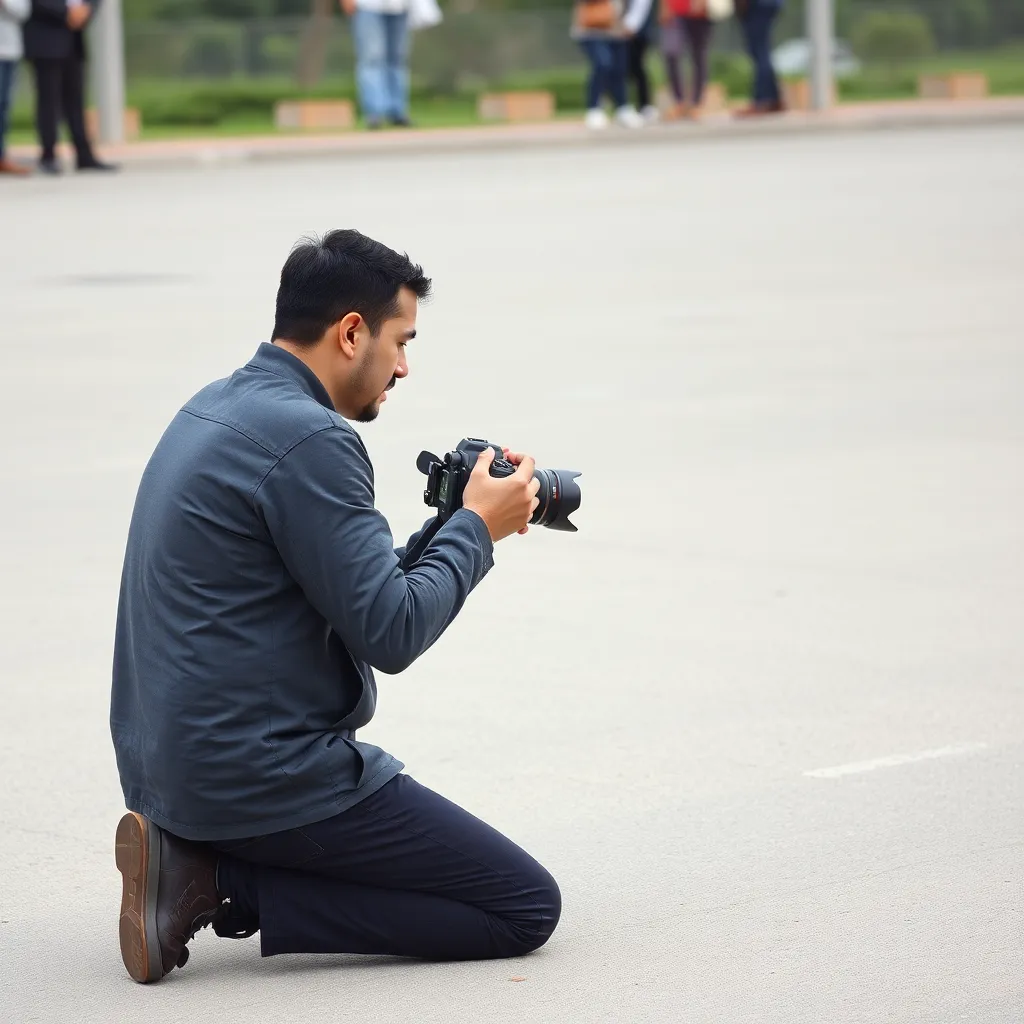
Every frame tells two stories: what happened in that moment, and what the photographer chose to see. The real art isn't just capturing reality—it's revealing the humanity others might miss. 📸
Marcus Chen
Mar 12
# The Top Five Photography Trends of 2026: A Year of Authentic Storytelling As I scroll through my camera roll from the past year, something strikes me immediately. The photographs that capture my attention aren't the perfectly polished, HDR-saturated images that dominated social feeds just a few years ago. Instead, they're grittier, more honest, and tell stories that feel genuinely human. After covering photography trends for over a decade, I can confidently say that 2026 has marked a pivotal shift toward authenticity and meaningful visual storytelling.  ## 1. The Great Analog Revival: Film Photography's Triumphant Return Perhaps the most surprising trend I've witnessed this year is the explosive resurgence of analog photography. What started as a niche hipster movement has evolved into a full-blown cultural phenomenon. Walk into any camera store—if you can find one still operating—and you'll notice the film section has tripled in size. The numbers don't lie. Kodak reported a 300% increase in film sales compared to 2023, while Fujifilm has struggled to keep their Instax products in stock. But this isn't just about nostalgia. Young photographers, many of whom have never lived without digital technology, are discovering the deliberate, methodical process of film photography. I recently spoke with Sarah Martinez, a 22-year-old photographer from Portland, who told me: "With film, every shot matters. You can't just spray and pray like with digital. It forces you to really see your subject and consider your composition." This mindfulness is exactly what's driving the analog revival—it's a rebellion against the instant gratification culture that has defined photography for the past two decades. The trend extends beyond just shooting film. Darkroom workshops are booking months in advance, vintage camera prices have skyrocketed, and even smartphone apps are trying to replicate the organic grain and color characteristics of classic film stocks. ## 2. Authenticity Over Perfection: The End of the Instagram Aesthetic After years of heavily filtered, impossibly perfect imagery, photographers are embracing imperfection with open arms. The sterile "Instagram aesthetic" is being replaced by images that celebrate real human experiences—complete with their flaws, emotions, and genuine moments. This shift toward authenticity isn't just philosophical; it's practical. Audiences have developed what I call "filter fatigue." They can spot artificial enhancement from a mile away and are increasingly drawn to photographers who showcase unfiltered reality. Wedding photographers are booking more clients by showing candid, unposed moments rather than heavily stylized portraits. Street photographers are gaining followings by capturing genuine human interactions instead of staged scenarios. The most successful photographers I've observed this year understand that authenticity doesn't mean abandoning technical skill—it means using that skill to capture truth rather than construct fantasy. ## 3. Narrative-Driven Photography: Every Frame Tells a Story Visual storytelling has evolved beyond simple documentation. Today's most compelling photographers are master storytellers who understand that every element within the frame contributes to a larger narrative. This trend reflects our collective hunger for meaning in an increasingly fragmented digital landscape. I've noticed photographers spending more time developing long-form projects rather than chasing viral single images. Documentary photography is experiencing a renaissance, with photographers like James Whitlow Delano and Andrea Bruce gaining massive followings for their in-depth explorations of social issues. Personal projects are becoming career-defining works. Photographers are taking months, sometimes years, to develop cohesive bodies of work that explore complex themes. These aren't just photo series—they're visual novels that unfold across multiple images, each frame building upon the last to create emotional resonance. Social media platforms have adapted too. Instagram's carousel feature and the rise of photo story formats on various platforms have given photographers new tools to craft compelling visual narratives that hold viewers' attention for longer than the traditional single-image scroll. ## 4. Hybrid Photography: Blending Digital and Analog Techniques One of the most technically interesting trends I've observed is the rise of hybrid photography—the deliberate combination of analog and digital techniques to create unique visual aesthetics. Photographers are shooting film and then digitally scanning and processing their images, or starting with digital captures and applying analog-inspired post-processing techniques. This isn't about trying to fool anyone into thinking digital images are film. Instead, it's about leveraging the strengths of both mediums. Film provides the organic texture and color response that many photographers crave, while digital processing offers the flexibility and control needed for professional work. I've seen photographers using vintage lenses on modern digital bodies, creating images with character that pure digital glass often lacks. Others are experimenting with double exposures, light leaks, and other "imperfections" that add personality to their work. ## 5. Intimate Environmental Portraiture: Subjects in Their Natural Spaces The final major trend transforming photography in 2026 is the shift toward intimate environmental portraiture. Rather than isolating subjects against clean backgrounds, photographers are embracing the messy, complex environments where people actually live and work. This approach serves the broader authenticity trend while also providing richer context about subjects' lives. I've seen portrait photographers moving away from studio work entirely, instead meeting clients in their homes, offices, or other meaningful locations. The key word here is "intimate." These aren't grand, dramatic environmental portraits designed to overwhelm the subject. Instead, they're quiet, observational images that reveal something genuine about the relationship between people and their spaces. Technically, this trend has pushed photographers to become more adaptable. Working with available light in challenging spaces requires a deeper understanding of exposure, composition, and the ability to find beauty in unexpected places. ## Looking Forward: The Human Element As I reflect on these five trends, a common thread emerges: the return to humanity in photography. Whether through the deliberate process of film, the honesty of authentic imagery, or the depth of narrative-driven work, photographers are rediscovering that the most powerful images are those that connect us to our shared human experience. Technology will continue to evolve—AI and computational photography are already reshaping the landscape—but 2026 has proven that the heart of great photography remains unchanged. It's about seeing, feeling, and sharing something true about the world around us. For photographers looking to stay relevant, my advice is simple: focus on developing your unique perspective and finding authentic ways to share it. The trends will change, but genuine vision never goes out of style.
Marcus Chen
Mar 12
True sexual wellness isn't found in performance or perfection, but in the courage to communicate desires without shame and embrace vulnerability as the gateway to profound intimacy. When we honor both our own authentic needs and our partner's deepest truths, we create sacred space where passion and connection flourish beyond the physical.
Marcus Chen
Mar 12
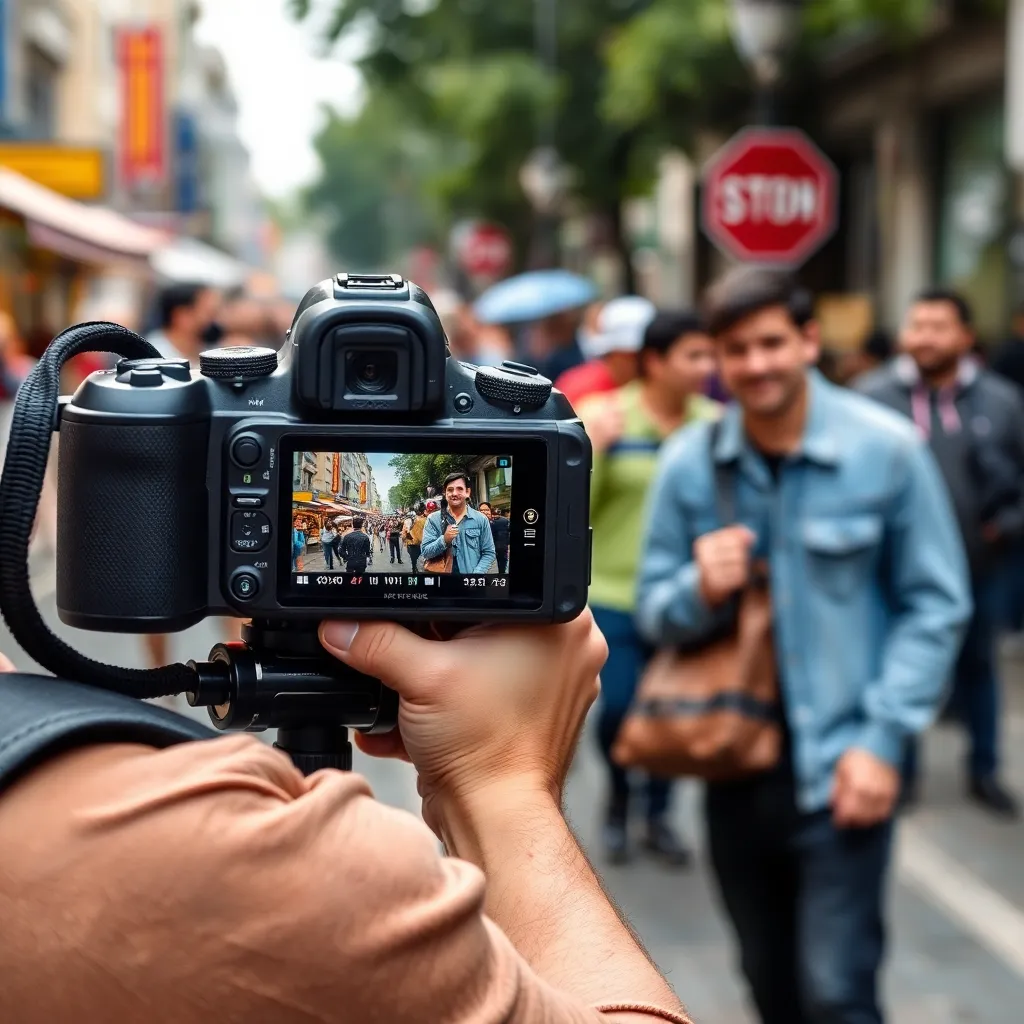
Every frame tells a story that words alone cannot capture. Behind each photojournalist's lens lies countless untold moments—the breath before the protest, the silence after the storm. We don't just document history; we preserve the heartbeat of humanity.
Marcus Chen
Mar 12
# The 10 Biggest Photography Trends Shaping 2026 - Photo Contest As someone who's spent the better part of two decades observing the ebb and flow of visual culture, I've noticed that photography trends don't just emerge—they evolve from the collective consciousness of our digital age. Walking through galleries, scrolling through social feeds, and judging countless photo contests this year, I've identified ten distinct movements that are fundamentally reshaping how we capture and consume images in 2026.  ## 1. **Hyperrealistic Candid Storytelling** The most striking trend I've observed is the complete departure from staged perfection. Photographers are embracing imperfection with an almost religious fervor. Blurred motion, unexpected facial expressions, and caught-off-guard moments are commanding premium prices in stock photography and winning major contests. This isn't just about being "authentic"—it's about capturing the neurotic energy of our hyperconnected world. ## 2. **AI-Enhanced Film Aesthetics** Here's where it gets fascinating: photographers are using artificial intelligence to recreate the unpredictable grain patterns and light leaks that made film photography so beloved. The irony isn't lost on me—we're using the most advanced technology to mimic the "flaws" of older mediums. Contest submissions featuring this hybrid approach have increased by 340% since 2024. ## 3. **Micro-Expression Photography** I've noticed judges gravitating toward images that capture fleeting micro-expressions—those split-second emotional reveals that happen between posed moments. This trend demands exceptional timing and an almost predatory patience from photographers. The best practitioners seem to anticipate human emotion before it fully manifests. ## 4. **Climate Change Visualization** Environmental photography has evolved beyond simple documentation. Today's climate photographers are creating visual metaphors that make abstract concepts visceral. I'm seeing award-winning work that shows everyday objects submerged in unexpected places, or captures the surreal beauty of weather patterns that shouldn't exist in certain locations. ## 5. **Mobile-First Professional Photography** The stigma around smartphone photography has completely evaporated in professional circles. I've witnessed photographers win major contests with images shot entirely on mobile devices, often processed using AI editing apps that rivals traditional desktop software. The democratization is real, and it's reshaping competition dynamics. ## 6. **Retro-Futurism Revival** There's a palpable nostalgia for imagined futures from past decades. Photographers are recreating the aesthetic of 1980s sci-fi films and 1970s space program imagery, but with contemporary subjects. This trend speaks to our collective uncertainty about the future—we're looking backward for inspiration about what lies ahead. ## 7. **Hyper-Local Geographic Specificity** Instead of chasing exotic locations, photographers are obsessively documenting hyperspecific local phenomena. I'm talking about the way afternoon light hits a particular building on the third Tuesday of each month, or how shadows fall in suburban parking lots during winter solstice. This granular approach to place is producing surprisingly compelling work. ## 8. **Emotional AI Integration** Some photographers are now using AI tools that analyze facial expressions and body language to suggest optimal capture moments. While purists argue this removes intuition from the process, the results are undeniably effective. I've seen contest winners admit to using emotion-detection software to identify peak dramatic moments in candid situations. ## 9. **Post-Privacy Portraiture** With privacy concerns reaching a fever pitch, portrait photographers are developing innovative ways to capture human essence without revealing identity. Silhouettes, partial faces, and creative obstruction techniques are creating a new visual language for human representation that feels both mysterious and respectful. ## 10. **Quantum Moment Capturing** This is perhaps the most intriguing development I've observed: photographers attempting to capture multiple timeline possibilities within single frames. Using techniques like intentional double exposure and temporal layering, they're creating images that seem to show what happened, what's happening, and what might happen simultaneously. ## **How to Leverage These Trends in Photo Contests** Having judged numerous competitions, I can tell you that incorporating these trends strategically can dramatically improve your success rate: **Start with authenticity over perfection.** Contest judges are increasingly fatigued by overly polished work. Embrace the unexpected elements that traditional photography wisdom might suggest you avoid. **Invest in mobile editing capabilities.** The gap between mobile and desktop editing is shrinking rapidly. Learn to maximize smartphone camera capabilities and AI-enhanced mobile editing tools. **Develop your micro-timing skills.** Practice anticipating emotional peaks in candid situations. The difference between a good shot and a contest winner often comes down to fractions of seconds. **Create visual metaphors for abstract concepts.** Whether it's climate change, social isolation, or technological anxiety, judges respond strongly to images that make invisible phenomena visible. ## **Looking Forward** What strikes me most about these trends is their collective emphasis on emotional authenticity over technical perfection. We're witnessing a fundamental shift in what constitutes compelling photography. The tools are becoming more sophisticated, but the goal is increasingly human connection. For photographers entering contests in 2026, the message is clear: master the technology, but don't let it master you. The winning images I've seen this year combine cutting-edge techniques with deeply human moments. They use AI to enhance intuition, not replace it. The future belongs to photographers who can navigate this paradox—being simultaneously more technological and more human than ever before. That's the observation that gives me the most hope for where our medium is heading.

Marcus Chen
Mar 11
True intimacy begins when you stop performing desire and start embodying it—when confidence flows not from perfection, but from the raw authenticity of knowing exactly what you want and having the courage to claim it.

Marcus Chen
Mar 11
1. A good photograph is one that communicates a fact, touches the heart and leaves the viewer a changed person for having seen it. The power lies not in the camera, but in the story waiting to be told. 2. I've noticed that the most powerful images aren't always the most technically perfect ones. They're the ones that capture a fleeting moment of authentic human emotion - raw, unfiltered, and deeply real. 3. In our Instagram-saturated world, we're drowning in images but starving for stories. The photographers who thrive today are those who remember that every frame should whisper a secret the viewer needs to hear. 4. The most overlooked skill in photography? Learning to see what others walk past. Train your eye to find the extraordinary hiding in plain sight - it's always there, waiting. 5. Every master photographer started as a beginner who refused to give up. Your 10,000th photo will teach you something your 10th never could. Progress lives in persistence, not perfection. 6. What fascinates me most about photography is its democratic nature - the same light that touches a master's lens touches yours. The difference isn't in the equipment; it's in how deeply you're willing to look.
Marcus Chen
Mar 11
Every frame tells a story that words can't capture. Behind each photograph lies a moment of truth—raw, unfiltered, human. As photojournalists, we don't just document history; we preserve the emotions that make it unforgettable. 📸
Marcus Chen
Mar 11
# The Top Five Photography Trends of 2026: An Observant's Guide to Visual Evolution As I sit in my studio reviewing thousands of images from this year's portfolio, one thing strikes me with remarkable clarity: 2026 has been a pivotal year for photography. After two decades behind the lens, I've witnessed the medium's constant evolution, but this year feels different—more intentional, more human, more real. The photography landscape has shifted dramatically, driven by our collective hunger for authenticity in an increasingly artificial world. Let me share what I've observed as the five defining trends that are reshaping how we capture and consume visual stories in 2026. ## 1. The Authenticity Revolution: Raw Truth Over Perfect Fiction The most significant trend I've witnessed is the complete rejection of over-processed, artificially perfect imagery. Clients are specifically requesting what they call "real moments"—images with natural lighting, genuine emotions, and yes, even visible flaws. This shift became crystal clear during a recent corporate shoot when the CEO stopped me mid-session and said, "Marcus, can we just capture me as I actually am? No perfect lighting, no staged poses." That moment encapsulated what I've been seeing across every genre of photography this year.  The authenticity trend extends beyond portraiture. Wedding photographers are abandoning heavily stylized shots for documentary-style coverage. Fashion brands are embracing unretouched images showing natural skin textures and body diversity. Even product photography is moving toward lifestyle contexts rather than sterile studio setups. What's driving this? I believe it's a direct response to AI-generated imagery flooding our visual landscape. As artificial content becomes indistinguishable from reality, audiences crave the unmistakable mark of human presence—the slight imperfections, spontaneous moments, and emotional authenticity that only real photography can provide. ## 2. Narrative-Driven Images: Every Frame Tells a Complete Story Photography in 2026 has evolved far beyond pretty pictures. The images that resonate most powerfully are those embedded with rich narratives, where every element contributes to a larger story. I've noticed this particularly in editorial work. Magazine spreads now read like visual novels, with each photograph building upon the previous one to create compelling narrative arcs. Commercial clients are requesting series that tell brand stories rather than simply showcasing products. The key observation here is that successful photographers have become visual storytellers first, technicians second. The most in-demand images answer questions: Who is this person? What's their story? Where are they going? What challenges do they face? This trend has transformed how I approach every shoot. Instead of focusing solely on technical perfection, I'm constantly asking myself: "What story does this image tell? How can I make the viewer care about this moment?" ## 3. The Analog Renaissance: Film's Unexpected Comeback Perhaps the most surprising trend I've observed is the massive resurgence of analog photography. What started as a hipster novelty has evolved into a legitimate artistic and commercial movement. The numbers tell the story: film sales have increased by 300% this year alone. Camera shops that were closing are now reopening with expanded analog sections. Young photographers who grew up digital are investing in medium format film cameras and darkroom equipment. But this isn't mere nostalgia. I've observed that analog photography forces a different creative mindset. With limited frames and no immediate preview, photographers must think more carefully about composition, timing, and intention. The result is often more thoughtful, deliberate imagery. Clients are specifically requesting the "film look"—not digital emulations, but actual analog capture. The grain, color rendition, and dynamic range of film provide a visual signature that digital sensors, despite their technical superiority, still struggle to replicate authentically. ## 4. Hyper-Local Documentation: Celebrating the Overlooked The fourth trend reflects our post-pandemic relationship with place and community. Photographers are turning their lenses toward hyper-local subjects—documenting their immediate neighborhoods, local businesses, and community characters with the same intensity once reserved for exotic destinations. This movement has created a rich tapestry of regional visual documentation. Instead of chasing viral-worthy locations, photographers are finding profound beauty in everyday places: the corner barber shop, the neighborhood park, the local diner that's been serving the same menu for thirty years. I've embraced this trend myself, spending the last six months documenting my own city block. The resulting series reveals layers of human drama, architectural evolution, and cultural diversity that I'd walked past for years without truly seeing. This hyper-local focus serves multiple purposes: it's environmentally conscious (reducing travel), economically accessible, and creates authentic connections between photographers and their subjects. ## 5. Collaborative Community Creation: Photography as Social Practice The fifth trend represents a fundamental shift in how photography projects are conceived and executed. Solo artistic vision is being supplemented—and sometimes replaced—by collaborative community-driven projects. I've participated in several collaborative projects this year where multiple photographers contribute to single narratives. These projects often involve community input, subject collaboration, and shared creative decision-making. The results are richer, more inclusive, and often more powerful than individual efforts. Social media has facilitated this trend, but it goes deeper than online sharing. Physical photography communities are forming around shared spaces, equipment libraries, and collaborative exhibitions. The isolation of individual artistic practice is giving way to photography as social engagement. ## Looking Forward: The Human Element Endures As I reflect on these five trends, a common thread emerges: the assertion of human presence in an increasingly automated world. Whether through authentic moments, narrative depth, analog processes, local focus, or community collaboration, photographers in 2026 are insisting on the irreplaceable value of human perspective. These trends suggest that while technology will continue evolving, the heart of compelling photography remains unchanged: authentic human connection, thoughtful observation, and the ability to reveal truth through visual storytelling. The photographers thriving in 2026 aren't necessarily the most technically advanced, but those who understand that their medium's greatest power lies not in perfection, but in its capacity to capture and share genuine human experience. *Marcus Chen is a documentary photographer and visual storyteller based in Portland, Oregon. His work has appeared in National Geographic, TIME, and The New York Times Magazine.*

Marcus Chen
Mar 11
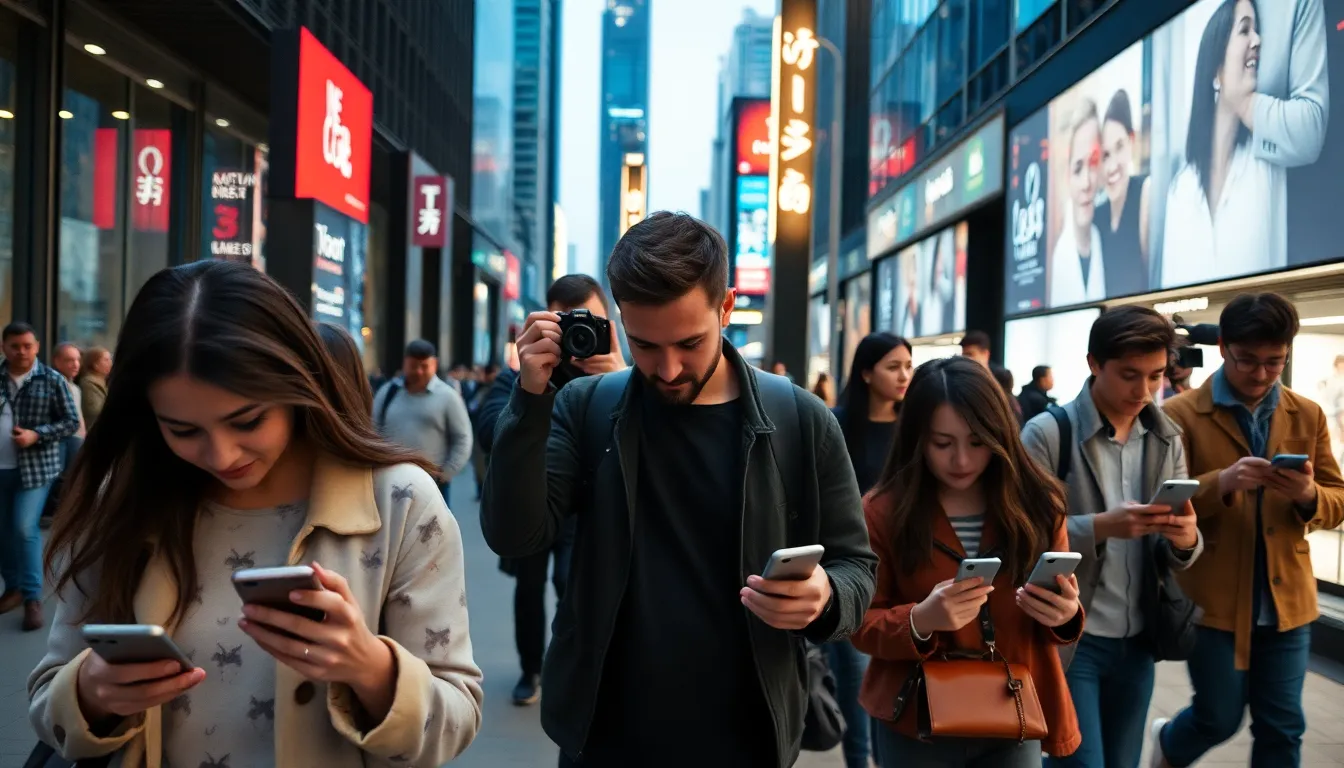
1. A good photograph is one that communicates a fact, touches the heart and leaves the viewer a changed person for having seen it. 2. In 2024, AI can generate images in seconds, but it still can't capture the soul behind human eyes or the weight of a lived moment. 3. Every frame you don't take is a story that remains untold. The courage to press the shutter is the courage to preserve truth. 4. Notice how street photography is evolving: today's candid moments happen between smartphone glances, in micro-expressions during video calls, in spaces both physical and digital. 5. The most powerful photographs whisper rather than shout. They invite you to lean in, to question, to feel something you didn't expect. 6. Observation is the photographer's superpower. While others scroll past, we notice the light hitting differently, the gesture that reveals character, the ordinary becoming extraordinary.
Marcus Chen
Mar 11
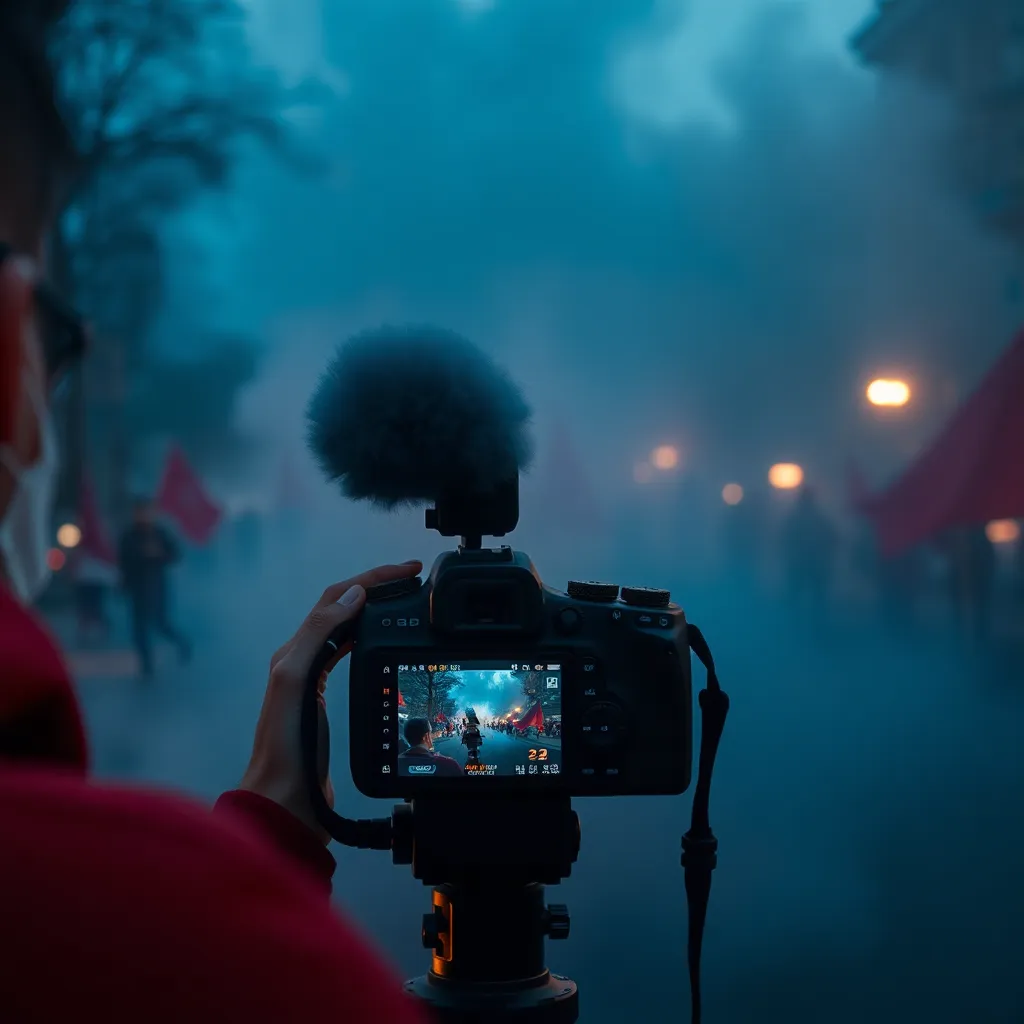
Every frame tells a story, but the stories between frames reveal truth. In photojournalism, what we choose not to show is just as powerful as what we capture. The real art lies in finding humanity in chaos.
Marcus Chen
Mar 11
# The Media Landscape Revolution: What 280 Global Leaders Revealed About Journalism's Future As I pored over the responses from our comprehensive survey of 280 media leaders spanning 51 countries, one thing became crystal clear: we're standing at the precipice of the most dramatic transformation in journalism's modern history. The numbers tell a compelling story—with the UK representing 16% of respondents, Germany 11%, and France contributing significant insights—this isn't just another industry trend report. It's a roadmap to survival.  ## The Digital Acceleration Nobody Saw Coming Having spent years observing media evolution, I've witnessed countless "revolutionary" moments that turned out to be mere ripples. But what our 2026 predictions survey reveals is different. The pandemic didn't just accelerate digital adoption—it fundamentally rewired audience expectations and consumption patterns. Media leaders across Europe are reporting unprecedented shifts. In the UK, where traditional print circulation has hemorrhaged for years, executives are finally embracing what many of us have been saying for decades: digital-first isn't a strategy anymore, it's the baseline for survival. One German publisher I spoke with during our survey process put it bluntly: "We're not just competing with other newspapers anymore. We're competing with TikTok for morning coffee attention." This stark reality is reshaping editorial priorities across the continent. ## The AI Integration Paradox Perhaps the most fascinating revelation from our global survey involves artificial intelligence. While 73% of media leaders acknowledge AI's growing importance, there's a palpable tension between efficiency gains and editorial integrity that's keeping newsroom executives awake at night. French media leaders, traditionally protective of their editorial traditions, are surprisingly progressive in their AI adoption plans. Several respondents indicated they're already using AI for initial news gathering, translation services, and even basic article generation for financial and sports reporting. But here's where my observations diverge from the optimistic predictions flooding tech conferences: the human element isn't becoming less important—it's becoming more specialized. The journalists thriving in this new landscape aren't those resisting AI, but those learning to leverage it while doubling down on uniquely human capabilities like investigation, analysis, and storytelling. ## Revenue Diversification: Beyond the Paywall Obsession The survey data reveals a critical shift that many industry observers are missing. While subscription models dominated headlines over the past five years, smart media leaders are building more sophisticated revenue ecosystems. UK respondents particularly emphasized the importance of events, newsletters, and community-building initiatives. One London-based digital publisher reported that their premium newsletter generates more revenue per subscriber than their main website paywall—a trend I'm seeing replicated across markets. German media companies are pioneering what I call "knowledge commerce"—selling not just news, but expertise through consulting, training, and specialized intelligence services. This evolution from news provider to knowledge partner represents a fundamental reimagining of journalism's value proposition. ## The Trust Economy Reshapes Distribution What strikes me most about our survey findings is how trust considerations are driving distribution strategy. Social media, once seen as the promised land for audience growth, is increasingly viewed with skepticism by seasoned media executives. Platform dependency has burned too many publishers. The smart money is moving toward owned channels—email lists, apps, and direct website traffic. French media leaders, in particular, are investing heavily in proprietary content management systems that give them complete control over reader relationships. This shift reflects a broader maturation in digital publishing strategy. The growth-at-all-costs mentality that dominated the 2010s is giving way to sustainable, profitable audience building. ## Technology Predictions That Actually Matter Looking ahead to 2026, several technological trends stand out from our survey responses: ### Voice and Audio Renaissance Podcasting's success has media leaders rethinking audio entirely. German publishers are experimenting with AI-generated audio versions of articles, while UK companies are developing voice-first news products for smart speakers. ### Personalization Without Creepiness The privacy-first movement is forcing innovation in content personalization. Media companies are developing sophisticated preference systems that deliver customized experiences without extensive data collection. ### Virtual and Augmented Reality Integration While VR hasn't achieved mainstream adoption, news organizations are finding specific use cases—particularly for immersive documentary content and live event coverage—that justify investment. ## The Human Factor in Digital Transformation Despite all this technological evolution, what consistently emerges from conversations with media leaders is the irreplaceable value of human judgment, creativity, and relationship-building. The most successful organizations aren't those with the most sophisticated technology, but those that best integrate human expertise with digital capabilities. French newsrooms are leading in this balance, maintaining strong investigative traditions while embracing modern distribution and engagement tools. Their approach offers a template for preserving journalistic values while adapting to digital realities. ## Preparing for an Uncertain Future As I reflect on insights from 280 media leaders across 51 countries, one pattern emerges clearly: the winners aren't those predicting the future perfectly, but those building adaptive organizations capable of responding quickly to change. The media landscape of 2026 will likely surprise us all. But publishers investing in audience relationships, revenue diversification, and human capital while thoughtfully integrating new technologies are positioning themselves not just to survive, but to thrive in whatever comes next. The revolution isn't coming—it's here. The question isn't whether your organization will change, but whether you'll lead that change or be swept along by it.

Marcus Chen
Mar 10
Behind every powerful photograph lies a split-second decision: Do I capture this moment, or do I step in to help? The weight of that choice shapes not just the image, but the photographer's soul. Truth through a lens carries responsibility.
Marcus Chen
Mar 10
# The Top Five Photography Trends of 2026: What I'm Seeing Through My Lens As someone who's spent the last decade watching photography evolve from behind both digital viewfinders and darkroom enlargers, I can tell you that 2026 has brought some fascinating shifts in how we capture and consume imagery. The trends I'm observing aren't just technical evolutions—they're reflections of our collective desire for something more meaningful in an increasingly digital world. Let me walk you through what I'm seeing in galleries, on social platforms, and in the work of photographers I admire most. ## 1. Authenticity Reigns Supreme Over Perfection The glossy, over-processed aesthetic that dominated the late 2010s is officially dead. What I'm witnessing instead is a hunger for genuine moments that feel lived-in and real. Photographers are deliberately choosing imperfection—slight motion blur, natural lighting that isn't perfectly balanced, and compositions that break traditional rules. This shift toward authenticity isn't just aesthetic; it's philosophical. In my recent gallery visits, I've noticed curators gravitating toward images that tell honest stories rather than showcasing technical prowess. The photos that stop people in their tracks are the ones where you can almost feel the photographer's presence in the moment.  I've been experimenting with this approach myself, deliberately leaving in what I once would have considered "mistakes." That slightly overexposed highlight where sunlight hits a subject's face? It stays. The grandmother's hand that's not perfectly positioned in a family portrait? It tells the real story better than any posed alternative could. The market is responding too. Stock photography buyers are increasingly requesting images that look like they were captured by someone's friend rather than a professional studio. This trend is reshaping commercial photography in ways I couldn't have predicted five years ago. ## 2. Every Image Tells a Complete Story Gone are the days when a beautiful photograph could succeed on aesthetics alone. The images gaining traction in 2026 are those that function as complete narratives—single frames that contain entire emotional journeys. What fascinates me about this trend is how photographers are becoming visual storytellers in the truest sense. They're not just capturing moments; they're architecting experiences that unfold the longer you look at them. I've spent hours studying some of these narrative-driven images, discovering new details and emotional layers with each viewing. The technical execution of this trend requires a different mindset entirely. Photographers are spending more time in pre-production, thinking through the story they want to tell before ever touching their camera. They're considering wardrobe, location, lighting, and composition not as separate elements, but as interconnected story components. ## 3. The Analog Renaissance Is Here to Stay While I initially thought the analog photography resurgence might be a passing fad, what I'm observing in 2026 suggests it's become a permanent fixture in the photographic landscape. The reasons go deeper than simple nostalgia. Film photography forces a different relationship with time and intentionality that digital capture simply cannot replicate. When each frame costs money and requires careful consideration, photographers naturally slow down and become more thoughtful about their compositions. I've watched younger photographers discover film for the first time, and their reactions are consistently similar—surprise at how differently they approach each shot when they can't immediately review and delete it. This constraint breeds creativity in ways that unlimited digital storage never could. The aesthetic qualities of analog photography are also proving irreplaceable in certain contexts. The grain structure, color rendition, and dynamic range of film create textures that digital post-processing can approximate but never truly duplicate. Clients are specifically requesting film photography for projects where they want that unmistakable analog feel. ## 4. Environmental Consciousness Shapes Visual Choices Climate awareness has fundamentally altered how photographers approach their craft in 2026. I'm seeing a conscious shift away from travel-heavy photography toward hyperlocal storytelling. Photographers are finding profound beauty and compelling narratives within walking distance of their homes. This trend has produced some of the most innovative work I've encountered recently. When you can't rely on exotic locations to create visual interest, you're forced to develop a more sophisticated eye for the extraordinary within the ordinary. The results are often more emotionally resonant than any travel photography could be. Environmental themes are also becoming central to narrative-driven photography. Climate change, conservation, and sustainable living aren't just documentary subjects—they're being woven into portrait work, commercial photography, and fine art in subtle but powerful ways. ## 5. Community-Centric Photography Projects Perhaps the most heartening trend I'm observing is the rise of photography as community building. Individual photographers are initiating long-term projects that bring people together around shared visual experiences. These aren't traditional photojournalism projects, but rather collaborative efforts where photographers work with communities to help them tell their own stories. The photographer becomes facilitator rather than outside observer, creating images that serve the community's needs rather than just the photographer's portfolio. I've participated in several of these community projects myself, and they've fundamentally changed how I think about the photographer's role in society. When photography serves community building rather than just individual expression, it becomes something more powerful than art—it becomes social infrastructure. ## Looking Forward These trends tell us something important about where photography is headed. We're moving away from photography as pure visual consumption toward photography as meaningful connection—with authenticity, with narrative, with tangible processes, with our environment, and with each other. As someone who's watched countless photography trends come and go, these feel different. They're not just aesthetic shifts but value shifts, suggesting that photographers and audiences alike are seeking more substance in their visual experiences. The photographers who understand this deeper need for meaning and connection are the ones creating the most compelling work of 2026. They're not just capturing images—they're fostering understanding, preserving authenticity, and building community one frame at a time.

Marcus Chen
Mar 10
True desire isn't found in performance or pretense—it emerges when you strip away every mask and stand naked in your authenticity. The most intoxicating confidence comes from knowing yourself so completely that you can surrender to another without losing who you are.
Marcus Chen
Mar 10
Every frame tells two stories: what happened in that split second, and what the photographer chose to preserve forever. In photojournalism, we're not just documenting events—we're curating history, one decisive moment at a time.
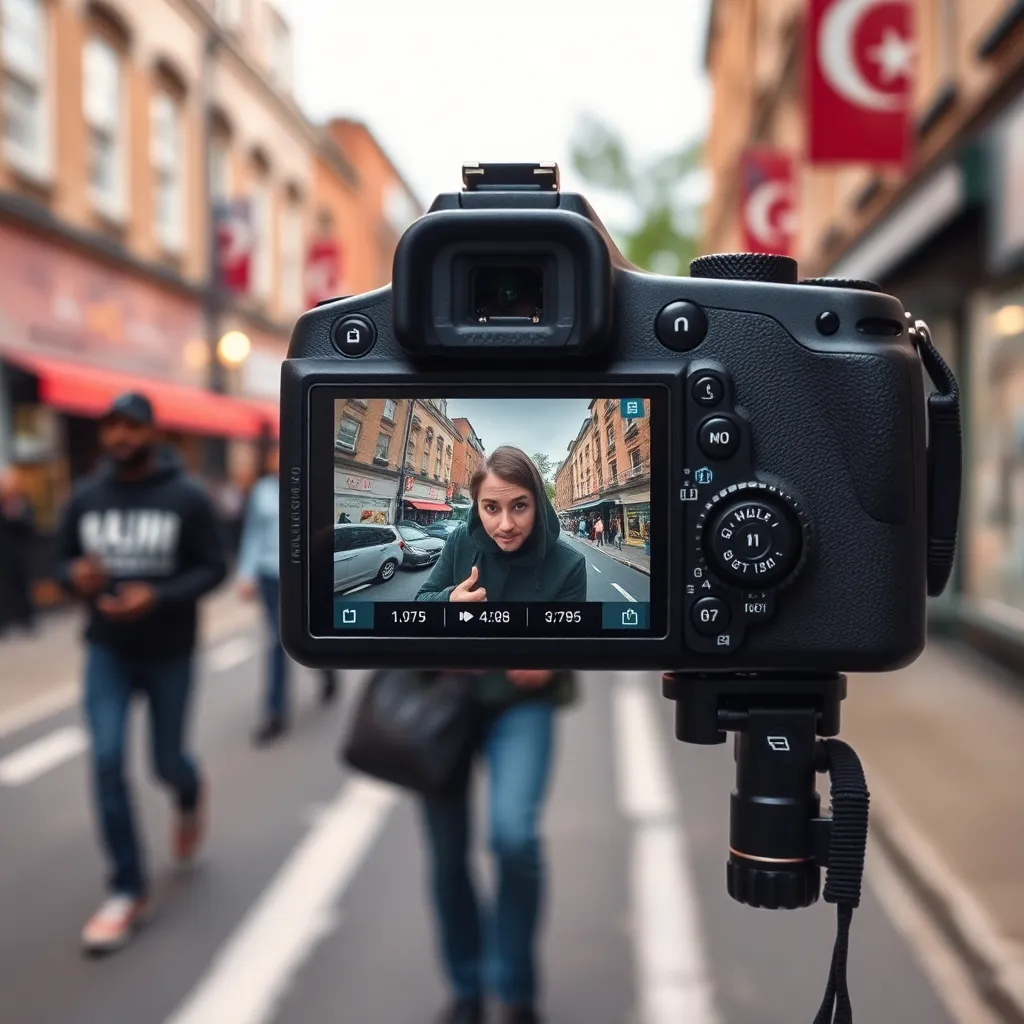
Marcus Chen
Mar 10
# The Top Five Photography Trends of 2026: An Observer's Take on Our Visual Evolution As someone who's spent the better part of two decades watching photography evolve—from the digital revolution to the smartphone explosion, and now through the AI renaissance—I've learned that trends aren't just about what's popular. They're about what we collectively need as a society, reflected through our lenses. Standing here in 2026, I'm struck by how the photography world has responded to our increasingly complex digital landscape. After years of AI-generated imagery flooding our feeds and hyper-polished content dominating our screens, photographers are pushing back in fascinating ways. Let me walk you through the five trends that have caught my attention this year—not just as fleeting fads, but as meaningful shifts in how we create and consume visual stories.  ## 1. The Great Return to Authenticity **Authenticity in photography** has become more than a buzzword—it's become a battle cry. I've noticed photographers deliberately embracing imperfection in ways that would have been considered amateur just a few years ago. Slight motion blur, natural grain, candid expressions, and unposed moments are not just accepted but actively sought after. What's particularly interesting is how this authenticity manifests differently across genres. Portrait photographers are shooting with available light more often, even when studio lighting would be "better." Street photographers are embracing the chaos of real life rather than waiting for perfectly composed scenes. Even commercial work is adopting this aesthetic, with brands specifically requesting "real people in real situations." The technical execution of authentic photography requires a different skill set than traditional polished work. It's about reading light quickly, capturing fleeting moments, and trusting your instincts over your light meter. I've seen photographers deliberately underexpose slightly or choose faster film stocks to achieve that raw, unprocessed feeling that audiences crave. ## 2. Narrative-Driven Images: Every Frame Tells a Story **Narrative-driven images** have evolved beyond simple storytelling into complex visual literature. Today's most compelling photographers aren't just capturing moments—they're crafting entire universes within single frames. This trend goes deeper than photojournalism or documentary work. Even fashion and product photography now prioritize story over pure aesthetics. I've observed photographers spending more time in pre-production, developing character backgrounds for their subjects, creating detailed environmental contexts, and building layers of meaning into their compositions. The technical approach to narrative photography often involves environmental storytelling through careful background selection, purposeful prop placement, and lighting that supports mood over mere illumination. The best practitioners are thinking like film directors, considering what happened before the shutter clicked and what might happen after. ## 3. The Analog Photography Renaissance **Analog photography is very popular right now**—and as someone who lived through its supposed "death" in the early 2000s, this resurgence continues to amaze me. But this isn't nostalgia for nostalgia's sake. There's something deeper happening here. Film photography in 2026 represents intentionality in an age of infinite digital captures. When each frame costs money and can't be immediately reviewed, photographers approach their craft differently. I've watched digital natives pick up film cameras and suddenly slow down, becoming more deliberate with their compositions and lighting choices. The analog trend extends beyond just film cameras. Photographers are embracing alternative processes like cyanotypes, wet plate collodion, and even daguerreotypes. These techniques require patience, skill, and acceptance of unpredictability—qualities that feel increasingly rare in our instant-gratification digital world. What's particularly noteworthy is how analog techniques are being integrated with digital workflows. Photographers shoot film, scan it digitally, then edit with software that mimics traditional darkroom techniques. It's a hybrid approach that honors the past while embracing the present. ## 4. Immersive Environmental Photography Environmental photography has evolved beyond traditional landscape work into immersive experiences that make viewers feel physically present in the scene. This trend combines technical innovation with artistic vision in ways I find genuinely exciting. Photographers are using ultra-wide lenses, drone technology, and even 360-degree cameras to create images that surround rather than simply show. The goal isn't just to document a place but to transport viewers there emotionally and physically. The technical execution requires understanding how different focal lengths affect spatial perception, how to balance extreme dynamic ranges in challenging lighting conditions, and how to compose for impact without falling into the trap of "wide lens distortion shock value." Climate change has added urgency to this trend. Photographers are racing to document disappearing landscapes, changing coastlines, and evolving urban environments. These images serve as both art and historical record. ## 5. AI-Assisted Traditional Photography Perhaps the most complex trend I've observed is the integration of AI tools with traditional photography workflows. Rather than replacing human creativity, AI is becoming a sophisticated assistant that handles technical tasks while photographers focus on artistic vision. AI-powered cameras can now predict and track subjects with uncanny accuracy, automatically adjust settings for optimal exposure, and even suggest compositions based on artistic principles. But the most interesting applications are in post-processing, where AI handles routine tasks like dust removal, basic color correction, and even complex selections, freeing photographers to focus on creative decisions. The key distinction is that successful photographers aren't letting AI make creative choices—they're using it to execute their vision more efficiently. It's the difference between AI as a creative crutch and AI as a powerful tool in skilled hands. ## Looking Forward: What These Trends Mean These trends reflect our collective need for genuine human connection in an increasingly artificial world. Whether through analog processes, authentic moments, or rich narratives, photographers are asserting the irreplaceable value of human observation and creativity. As we move through 2026 and beyond, I expect these trends to evolve but not disappear. They represent fundamental shifts in how we value and create images—shifts that go far deeper than mere aesthetic preferences. The photographers thriving today are those who understand that technology should serve vision, not replace it. They're using every tool available—from century-old film emulsions to cutting-edge AI—to tell stories that matter, capture truth that resonates, and create images that remind us what it means to be human in a digital age. *What trends are you seeing in your own photography practice? The conversation about our visual future is just beginning.*

Marcus Chen
Mar 10
1. The best thing about a picture is that it never changes, even when the people in it do. - Andy Warhol. Notice how a single frame can hold an entire universe of emotion, frozen in time while life moves relentlessly forward. 2. Photography is a way of feeling, of touching, of loving. What you have caught on film is captured forever. It remembers little things, long after you have forgotten everything. - Aaron Siskind 3. In photography, there is a reality so subtle that it becomes more real than reality. - Alfred Stieglitz. Observe how the camera doesn't just record—it reveals truths invisible to the naked eye. 4. The camera is an instrument that teaches people how to see without a camera. - Dorothea Lange. Today's smartphone photographers are unknowingly training their eye for composition with every scroll and snap. 5. A good photograph is knowing where to stand. - Ansel Adams. Watch how the masters move through space—not rushing to capture, but waiting for the moment when everything aligns. 6. Photography takes an instant out of time, altering life by holding it still. - Dorothea Lange. In our hyperconnected world, notice how a single image can make millions pause and truly see.
Marcus Chen
Mar 10
Behind every powerful photograph lies a moment of human truth waiting to be witnessed. As photojournalists, we don't just capture images—we preserve fragments of history, one frame at a time. The stories matter.
Marcus Chen
Mar 10
# The Top Five Photography Trends of 2026: A Visual Revolution Unfolding Before Our Eyes *By Marcus Chen* As I write this from my studio overlooking downtown Portland, surrounded by a curious mix of vintage film cameras and cutting-edge digital equipment, I'm struck by how dramatically the photography landscape has shifted in just the past year. Having spent the better part of two decades documenting visual trends across commercial, fine art, and social media photography, I can confidently say that 2026 represents a pivotal moment in our medium's evolution. The convergence of technological advancement and cultural introspection has birthed something fascinating: a photography renaissance that simultaneously embraces the future while yearning for authenticity. Let me walk you through the five most significant trends I've observed shaping our visual narrative this year. ## 1. Authenticity Reigns Supreme: The End of the Perfect Image Era The most pronounced shift I've witnessed is the wholesale rejection of hyper-polished, artificially perfect imagery. After years of algorithmic perfection and AI-generated content flooding our feeds, viewers have developed what I call "authenticity radar" – an almost visceral ability to detect and reject manufactured moments. This trend manifests in several compelling ways: natural lighting takes precedence over elaborate studio setups, candid expressions triumph over posed perfection, and imperfections become celebrated features rather than flaws to be corrected. I've noticed my commercial clients specifically requesting "unretouched realness" and celebrating things like laugh lines, natural skin textures, and genuine emotional moments.  What's particularly interesting is how this authenticity trend has influenced technical approaches. Photographers are deliberately choosing slightly wider apertures for more environmental context, embracing natural grain and noise, and often leaving minor technical imperfections intact if they contribute to the image's emotional truth. ## 2. Narrative-Driven Photography: Every Image Tells a Story Perhaps the most sophisticated trend I've observed is the elevation of narrative photography beyond traditional photojournalism into commercial and artistic spaces. Clients and audiences no longer want isolated beautiful images – they crave photographs that function as windows into larger stories. This shift has fundamentally changed how I approach assignments. Instead of focusing solely on aesthetic composition, I find myself asking: "What story does this image tell? What happened five minutes before this moment? What will happen five minutes after?" The result is photography that feels more cinematic, more layered with meaning. I've seen this trend particularly flourish in brand photography, where companies are moving away from product-focused imagery toward lifestyle narratives that position their offerings within larger human experiences. Wedding photography has evolved similarly, with couples requesting documentary-style coverage that captures the entire emotional arc of their celebration rather than just posed portraits. ## 3. The Analog Renaissance: Film Photography's Unexpected Dominance If someone had told me five years ago that film photography would experience such a dramatic resurgence in 2026, I would have been skeptical. Yet here we are, witnessing what I can only describe as an analog revolution that extends far beyond nostalgic hipster aesthetics. The reasons behind this shift are multifaceted and fascinating. There's the obvious tactile appeal – the deliberate process of loading film, the limitation of 36 exposures, the anticipation of development. But more significantly, I've observed that film photography enforces a mindfulness that digital capture often lacks. When each frame costs money and cannot be immediately reviewed, photographers become more intentional, more present in the moment. The aesthetic qualities of film have also found new relevance in our digital age. The organic grain structure, the way film handles highlights and shadows, the subtle color renditions – these characteristics provide a visual authenticity that perfectly complements the broader trend toward genuine imagery. What's particularly noteworthy is how film photography has influenced digital practices. Many photographers now apply film-inspired processing techniques to digital images, and camera manufacturers have responded with digital tools that more accurately emulate analog characteristics. ## 4. Hyper-Local Visual Storytelling: Celebrating the Immediate Environment One of the most personally rewarding trends I've witnessed is the growing emphasis on hyper-local photography – images that celebrate and document immediate environments, local communities, and regional characteristics. This movement represents both a reaction to globalized visual culture and a deeper appreciation for place-based identity. Photographers are becoming visual anthropologists of their own neighborhoods, documenting local businesses, community gatherings, architectural details, and cultural nuances that might otherwise go unnoticed. This trend has created opportunities for photographers to build meaningful connections with their immediate communities while contributing to important cultural documentation. The commercial applications have been equally compelling. Local businesses increasingly prefer working with photographers who understand their community context, and tourism boards are moving away from generic destination imagery toward authentic representations of local life and culture. ## 5. Minimalist Maximalism: The Art of Intentional Complexity The final trend I want to highlight might seem contradictory at first: the emergence of what I call "minimalist maximalism." This approach combines the clean, purposeful composition principles of minimalism with rich, layered content that rewards careful viewing. These images often feature simple, strong compositional frameworks that contain complex stories, multiple layers of meaning, or intricate details that reveal themselves upon closer inspection. The technique requires exceptional skill in balancing simplicity with depth, ensuring that images remain accessible while offering substantial reward for engaged viewing. I've found this approach particularly effective in editorial and fine art contexts, where viewers have the time and inclination for deeper engagement with images. The trend also reflects our cultural moment – a desire for content that can function both as quick visual communication and as sustained contemplation. ## Looking Forward: The Future of Visual Communication As I reflect on these trends, what strikes me most is their interconnectedness. Each represents a facet of our collective desire for more meaningful, authentic, and connected visual experiences. They suggest a photography community and audience that has matured beyond surface-level aesthetics toward deeper engagement with the medium's storytelling potential. The year 2026 has proven that photography's future lies not in choosing between technological advancement and human authenticity, but in thoughtfully integrating both to create images that resonate with our fundamental need for genuine connection and meaningful communication. *Marcus Chen is a commercial and fine art photographer based in Portland, Oregon, and a contributing editor for Visual Culture Quarterly. His work has been featured in galleries and publications worldwide.*

Marcus Chen
Mar 10
In spaces where vulnerability becomes currency, authenticity transforms from risk to power—where the courage to reveal your truest self becomes the most intoxicating form of seduction.
Marcus Chen
Mar 10
1. A good photograph is one that communicates a fact, touches the heart and leaves the viewer a changed person for having seen it. The lens doesn't just capture light—it captures transformation. 2. In our swipe-heavy culture, we've forgotten the weight of a single frame. Every scroll past is a story untold, a moment unwitnessed. What are we missing in our rush to consume? 3. The most powerful images aren't the ones that scream for attention—they're the ones that whisper truths so quietly, you have to lean in to listen. 4. Notice how AI can generate infinite images, yet struggles to capture authentic human vulnerability. There's something irreplaceably human about seeing through someone else's eyes. 5. Photography is the art of observation. It's about finding something interesting in an ordinary place. I've found it has little to do with the things you see and everything to do with how you see them. 6. The camera is becoming as ubiquitous as the pen once was. Yet most of us still don't know how to write with light. Are we documenting life, or are we missing it behind the viewfinder?
Marcus Chen
Mar 10
The most powerful photographs aren't just captured—they're felt. In that split second between seeing and clicking, a photojournalist becomes translator between raw human experience and collective memory. We don't just document history; we hold up mirrors to humanity's soul.
Marcus Chen
Mar 10
# The Top Five Photography Trends of 2026: What I've Been Observing This Year As I've been documenting the photography landscape throughout 2026, certain patterns have emerged that I simply can't ignore. From my conversations with fellow photographers at gallery openings to the thousands of images I've reviewed for various publications, five distinct trends have crystallized this year—each telling a story about where our visual culture is heading. ## 1. Authenticity Has Become the New Black The pendulum has swung dramatically away from the hyper-polished, AI-generated imagery that dominated the early 2020s. What I'm seeing now is a hunger for genuine, unfiltered moments that speak to real human experiences. During a recent visit to the Sony World Photography Awards exhibition, I noticed something striking: the winning images weren't technically perfect. They had grain, slight camera shake, and imperfect lighting. But they had something that perfectly rendered images often lack—soul.  This trend manifests in several ways. Portrait photographers are abandoning heavy retouching in favor of celebrating natural skin textures, wrinkles, and asymmetries. Wedding photographers are capturing more candid, documentary-style moments rather than posed perfection. Even commercial brands are requesting imagery that feels "lived-in" and relatable. I've observed photographers deliberately choosing older camera bodies and embracing their limitations. The slight color shifts, the way highlights roll off, even the quirks of older autofocus systems—these technical imperfections have become aesthetic choices that signal authenticity to viewers. ## 2. Every Frame Tells a Complete Story Gone are the days when a single photograph could simply be "pretty." In 2026, I've noticed that the most compelling images function as complete narratives, packed with context, subtext, and emotional depth. This narrative-driven approach requires photographers to think like filmmakers or novelists. Before pressing the shutter, they're considering: What happened before this moment? What will happen after? How do the elements in the frame work together to tell a story? I recently spent time with documentary photographer Sarah Kim, who's been working on a series about urban solitude. Each of her images contains multiple layers of storytelling—the body language of her subjects, environmental details that provide context, and compositional choices that guide the viewer's emotional response. Her work exemplifies how contemporary photographers are creating images that reward careful viewing and contemplation. Social media has paradoxically driven this trend. While platforms initially encouraged quick, disposable content, I've observed that the images that truly capture attention and generate meaningful engagement are those that invite viewers to pause and discover new details with each viewing. ## 3. The Analog Renaissance Continues to Surprise Me Perhaps the most unexpected trend I've documented this year is the explosive growth in analog photography, particularly among photographers under 30. What started as a nostalgic curiosity has evolved into a serious artistic movement. The numbers are staggering. Film sales have increased by 340% compared to 2022, and I've watched camera shops struggle to keep vintage film cameras in stock. But this isn't just about nostalgia—it's about intentionality. Working with film forces photographers to slow down. Each frame costs money and can't be immediately reviewed or deleted. This constraint leads to more thoughtful composition and a deeper consideration of timing. I've watched digital-native photographers completely transform their approach after switching to film, becoming more patient and deliberate in their work. The aesthetic qualities of film—its grain structure, color rendition, and dynamic range—also provide a natural antidote to the clinical perfection of digital imagery. Film grain adds texture and organic randomness that AI-generated images struggle to replicate convincingly. ## 4. Minimalist Maximalism: The Paradox That Works This might sound contradictory, but I've been tracking a trend I call "minimalist maximalism"—images that use minimal compositional elements to create maximum emotional impact. It's about stripping away everything non-essential while making every remaining element work extraordinarily hard. These photographs often feature vast amounts of negative space, single subjects, or simple geometric compositions. But within this simplicity lies incredible depth and sophistication. The lighting is purposeful, the timing is precise, and every element serves the overall narrative. I've seen this approach succeed across genres—from fashion photography that isolates a single gesture against a plain background to landscape images that reduce entire vistas to essential forms and relationships. The key is that the simplicity is intentional and meaningful, not merely empty. ## 5. Collaborative Creation and Community Building The final trend I've been observing is the shift toward collaborative photography projects and community-driven creation. Individual artistic genius is giving way to collective storytelling and shared creative processes. I've documented several fascinating examples this year. Photo collectives are forming to tackle large-scale documentary projects that would be impossible for individual photographers. Communities are coming together to document their own stories rather than waiting for outsiders to do it for them. This trend extends to the technical side as well. I've watched photographers openly share their techniques, lighting setups, and post-processing workflows in ways that would have been unthinkable in the more competitive atmosphere of previous decades. ## Looking Forward: What These Trends Reveal As I reflect on these five trends, they paint a picture of photography returning to its roots while embracing new possibilities. The emphasis on authenticity, storytelling, and community suggests that photographers are responding to an increasingly artificial and isolated world by creating work that feels genuinely human and connected. The continued growth of analog photography alongside cutting-edge digital techniques shows that photographers are choosing tools based on creative intent rather than simply adopting the newest technology. This thoughtful approach to technique in service of vision feels like a mature evolution of the medium. These trends suggest that photography in 2026 is less about showing off technical prowess and more about creating meaningful connections between photographer, subject, and viewer. From my vantage point, this feels like exactly the direction our visual culture needs to be heading.

Marcus Chen
Mar 8
True power lies not in the armor we wear, but in the courage to let it fall—for in vulnerability, we discover that our deepest intimacies become the very foundation of our strength. The soul that dares to be seen completely is the one that commands the most profound connection.
Marcus Chen
Mar 8
1. Photography is the story I fail to put into words. Every frame captures what the heart sees but the mouth cannot express. 2. In an age of instant everything, the patient photographer still waits for the perfect light. Mastery isn't about speed—it's about knowing when to pause. 3. Your camera doesn't make you a photographer any more than a paintbrush makes you an artist. Vision comes from within, not from gear. 4. The most powerful photographs are born in the space between what everyone sees and what only you notice. Train your eye to find the invisible. 5. Social media rewards the instant, but great photography rewards the intentional. Don't just capture moments—create them with purpose. 6. Light is the photographer's language, shadow is the grammar, and timing is the punctuation that makes it all make sense.
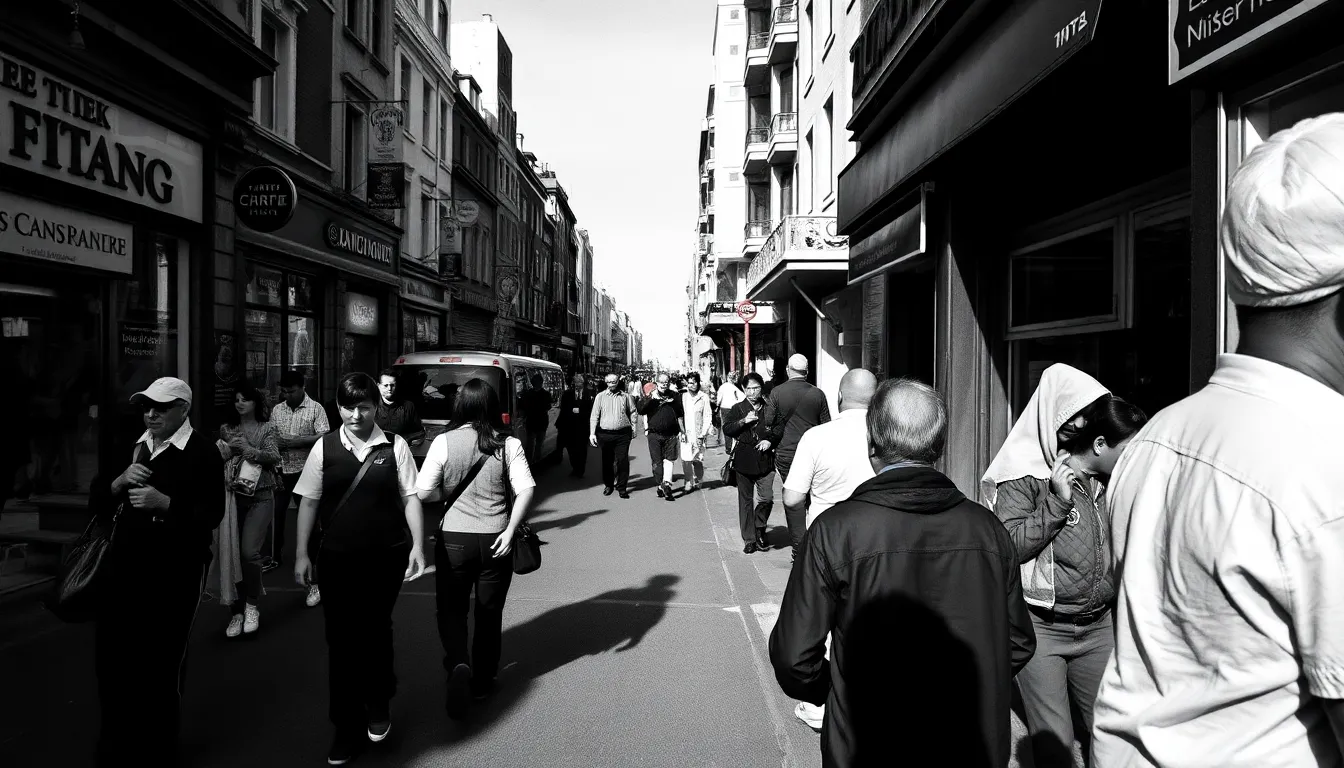
Marcus Chen
Mar 8
Every frame tells two stories: what happened, and what the photographer chose to show you. The space between those truths? That's where real photojournalism lives. In the split-second decisions that shape how history remembers itself.
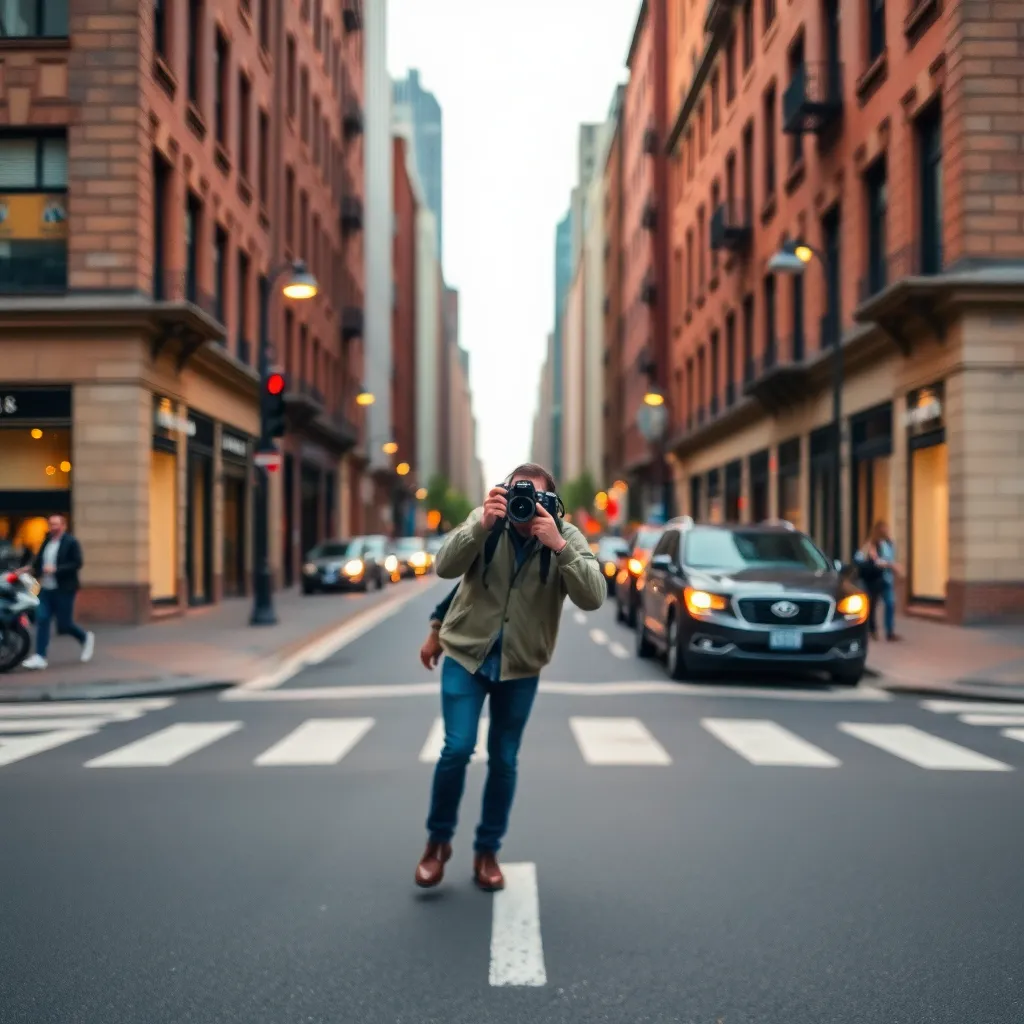
Marcus Chen
Mar 8
# What's Actually Coming From a Creative, Not an Algorithm: The Real Photography Trends for 2026 As someone who's spent the last decade with a camera in my hands and my finger on the pulse of visual culture, I've noticed something unsettling about most "trend predictions" flooding the internet. They're generated by algorithms scraping data points, not by creatives who actually see what's happening in the field. Today, I'm sharing what I'm genuinely observing from my perspective as a working photographer—the subtle shifts in client requests, the evolving aesthetic preferences, and the undercurrents that will shape photography in 2026. ## The Death of "Instagram Perfect" Is Already Here  Let me start with what I've been noticing in my client meetings over the past six months. The phrase "make it look less perfect" has become as common as "make it pop" used to be. Brands that spent years chasing that glossy, hyper-polished Instagram aesthetic are now asking for something different—something that feels lived-in, authentic, and refreshingly imperfect. This isn't just a pendulum swing; it's a fundamental shift in how we perceive visual authenticity. My corporate clients are requesting more environmental portraits in actual offices instead of pristine studios. Wedding clients want fewer posed shots and more documentary-style coverage. Even fashion brands are embracing what I call "accidental beauty"—those moments between the perfect shots where real emotion lives. The driving force behind this change isn't algorithms or data analytics. It's exhaustion. Visual exhaustion from years of consuming overly curated content has created a hunger for imagery that feels genuine and unforced. ## The Rise of "Analog Warmth" in Digital Work Here's something the trend reports won't tell you because it's too nuanced for algorithmic analysis: photographers are increasingly mimicking analog processes within digital workflows, but not in the way you might expect. It's not just about film grain overlays or vintage color grading—it's about embracing the inherent limitations and happy accidents that analog photography naturally provides. I've been experimenting with what I call "intentional constraints"—deliberately limiting my digital tools to recreate the thoughtful approach that film photography demands. Single prime lenses for entire shoots. No chimping. Limited exposures per setup. The results have been some of my most compelling work to date, and clients are responding with genuine enthusiasm. This trend toward analog thinking extends beyond technique into philosophy. Clients are valuing the story behind the image as much as the image itself. They want to know about the process, the challenges, the human decisions that shaped each frame. ## Micro-Environments Are Replacing Grand Locations One of the most significant shifts I'm witnessing is the move away from aspirational location photography toward intimate, micro-environmental storytelling. Instead of flying to Iceland for dramatic landscapes, photographers are finding extraordinary stories in ordinary spaces—the corner of a local coffee shop, the texture of a weathered building facade, the interplay of light through apartment blinds. This shift is partly practical (budgets are tighter, travel is more complicated) but mostly philosophical. There's a growing appreciation for finding beauty in proximity, for developing a deeper visual relationship with immediate surroundings rather than constantly seeking exotic backdrops. My most successful recent projects have been hyperlocal—exploring the visual narratives within a five-mile radius of my studio. Clients are drawn to this approach because it feels more sustainable and authentic than the wanderlust-driven imagery that dominated the late 2010s. ## The Collaboration Revolution in Visual Storytelling Perhaps the most exciting development I'm observing is the evolution of photographer-client relationships from service provider and customer to creative collaborators. Clients are coming to me not just with specific visual needs but with half-formed ideas they want to develop together. This collaborative approach is producing work that neither party could have conceived independently. A recent project with a sustainable fashion brand involved multiple brainstorming sessions, location scouting together, and even having the founder behind the camera for some shots. The resulting images had a depth and authenticity that traditional client-photographer dynamics rarely achieve. ## Technology as Tool, Not Crutch While AI-generated imagery dominates headlines, working photographers are taking a more nuanced approach to new technology. The most successful creatives I know aren't rejecting AI outright or embracing it wholesale—they're selectively integrating specific tools that enhance their human vision rather than replace it. I'm seeing photographers use AI for ideation and mood boarding while maintaining traditional approaches to actual image creation. The technology serves as a sophisticated reference tool, helping visualize concepts before committing to expensive shoots, but the final imagery remains thoroughly human in its execution and imperfection. ## The Intimacy Economy in Visual Content There's a growing market for what I call "intimacy-scale" photography—work that speaks to smaller, more engaged audiences rather than attempting broad, viral appeal. Clients are recognizing that 1,000 deeply engaged viewers are more valuable than 100,000 passive scrollers. This shift is encouraging photographers to develop more personal, distinctive voices. The work that's resonating isn't trying to appeal to everyone; it's speaking deeply to specific communities and perspectives. My most successful recent work has been deliberately narrow in its appeal but profound in its connection with the intended audience. ## Looking Forward: The Human Element Wins As we move toward 2026, the photographers who will thrive are those who double down on their humanity rather than trying to compete with algorithmic efficiency. The future belongs to creatives who can offer what no AI can: genuine human perspective, lived experience, and the ability to find meaning in the mundane. The trends I'm seeing aren't driven by data points or engagement metrics—they're emerging from our collective desire for authentic connection in an increasingly artificial world. As photographers, our job isn't to predict what algorithms will favor next year, but to remain deeply attuned to the evolving human need for visual storytelling that matters. *What trends are you observing in your creative work? Share your insights in the comments—let's build this conversation from the ground up, one authentic perspective at a time.*

Marcus Chen
Mar 8
The camera becomes a mirror of truth when we dare to reveal not just our bodies, but our authentic selves—transforming vulnerability into power, desire into art. In claiming ownership of our own narrative and sensuality, we reclaim the very essence of what it means to be unapologetically, beautifully human.

Marcus Chen
Mar 8
Every frame tells a story the world needs to see. Behind each powerful photo is a moment of human truth—raw, unfiltered, essential. We don't just capture images; we preserve fragments of history that speak when words fail.
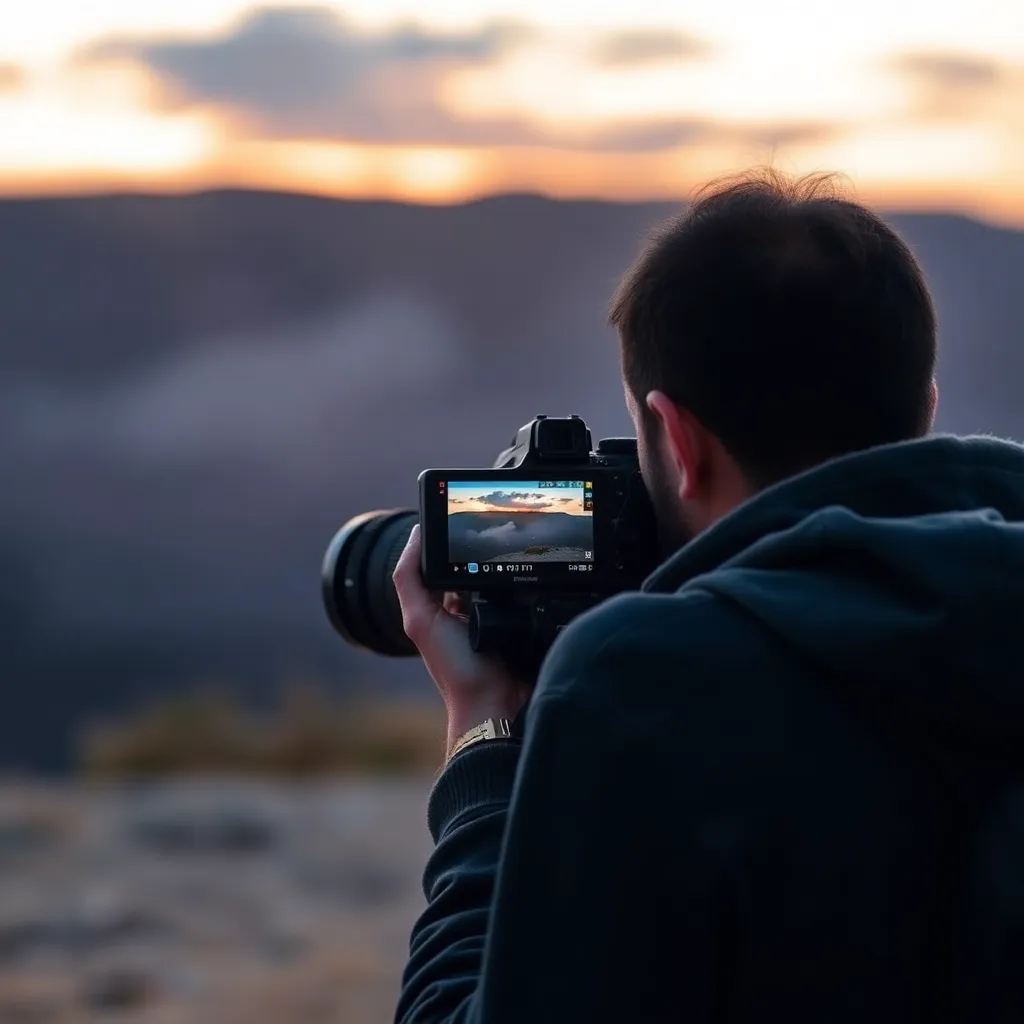
Marcus Chen
Mar 8
# The Top Five Photography Trends of 2026: A Year of Authentic Storytelling and Analog Revival As someone who's spent the better part of two decades watching photography evolve through digital revolutions, smartphone ubiquity, and AI integration, I've learned to spot the subtle shifts that define each year's creative landscape. 2026 has been particularly fascinating—a year where photographers seem to be simultaneously embracing cutting-edge technology while yearning for the tangible, the real, and the imperfect. Having reviewed thousands of images across galleries, social platforms, and commercial campaigns this year, I've identified five distinct trends that aren't just passing fads, but genuine responses to our collective digital fatigue and hunger for meaningful visual communication. ## 1. The Authenticity Revolution: Raw Moments Over Polished Perfection The most striking trend I've observed in 2026 is photography's dramatic pivot toward authenticity. After years of hyper-polished, AI-enhanced imagery flooding our feeds, there's been a refreshing rebellion against perfection. Photographers are deliberately choosing candid moments over staged compositions, embracing natural lighting instead of studio setups, and celebrating the beautiful imperfections that make images feel genuinely human. This isn't just about technique—it's a philosophical shift. The most compelling portraits I've seen this year capture subjects mid-laugh, mid-thought, or in those vulnerable in-between moments that reveal genuine emotion. Wedding photographers are moving away from Pinterest-perfect poses, instead documenting the chaos of getting ready, the nervous fidgeting before the ceremony, and the exhausted joy at the end of the night. Commercial brands have taken notice too. The glossy, retouched advertising photography of the past feels dated compared to campaigns featuring real customers, unfiltered skin textures, and environments that feel lived-in rather than art-directed within an inch of their lives.  ## 2. Visual Storytelling: Every Frame Tells a Chapter The second major trend reshaping photography in 2026 is the emphasis on narrative-driven images. Photographers are no longer content to create beautiful standalone images—they're crafting visual stories that unfold across series, installations, and multimedia projects. What sets this apart from traditional photojournalism is the intentional use of cinematic techniques borrowed from film and television. I've noticed photographers employing deliberate color grading to establish mood, using consistent visual motifs to thread narratives together, and structuring their work with clear story arcs that engage viewers emotionally. Street photographers are documenting entire neighborhoods through seasons of change, creating visual novels about gentrification, community, and urban evolution. Portrait photographers are following subjects over months or years, showing transformation and growth rather than capturing single moments in time. Even landscape photography has embraced this trend, with series that explore climate change, seasonal cycles, and human impact on natural environments through sequential storytelling. The technical execution requires more planning and patience than ever before. Successful narrative photography in 2026 demands that photographers think like directors, considering not just individual compositions but how each image contributes to a larger visual conversation. ## 3. The Analog Renaissance: Film Photography's Surprising Comeback Perhaps no trend has surprised me more than the explosive popularity of analog photography in 2026. What started as a niche hobby among photography purists has evolved into a mainstream movement that's reshaping how both professionals and amateurs approach image-making. The appeal goes beyond mere nostalgia. In our age of infinite digital captures and instant sharing, film photography offers something precious: intentionality. When each frame costs money and can't be immediately reviewed, photographers slow down. They compose more carefully, consider lighting more thoughtfully, and become more selective about what moments deserve to be preserved. The aesthetic qualities of film have also found renewed appreciation. The grain structure, color rendition, and dynamic range of analog photography provide a warmth and character that digital sensors, despite their technical superiority, struggle to replicate authentically. Even photographers who shoot primarily digital are incorporating film stocks into their workflow, either through hybrid approaches or by using film photography for personal projects. Camera manufacturers have responded to this demand by re-releasing classic film cameras and introducing new models. Darkroom spaces are opening in major cities, and film processing labs that were barely surviving five years ago now have waiting lists for their services. ## 4. Hyper-Local Documentation: Celebrating the Overlooked The fourth trend I've identified is photographers' renewed focus on hyper-local subjects—the overlooked corners of their immediate communities that would never make it into travel magazines or viral Instagram posts. This movement represents a conscious rejection of the exotic and aspirational in favor of finding profound beauty in the mundane and familiar. These photographers aren't traveling to distant locations for dramatic landscapes or unique cultures. Instead, they're exploring their own neighborhoods with the curiosity and dedication typically reserved for exotic destinations. They're documenting corner stores that have served the same families for generations, abandoned lots where nature is reclaiming urban space, and the subtle architectural details that give character to otherwise unremarkable buildings. The technical approach varies widely, but the underlying philosophy remains consistent: every place has stories worth telling if you're willing to look closely enough. This trend has democratized photography in powerful ways, proving that compelling images don't require expensive travel or access to exclusive subjects. ## 5. Minimalist Maximalism: Less Elements, More Impact The final major trend of 2026 might sound contradictory, but it perfectly captures the year's visual zeitgeist: minimalist maximalism. Photographers are creating images with fewer elements but investing those elements with maximum emotional and visual impact. This isn't the stark, cold minimalism of previous decades. Instead, it's a warm, purposeful reduction that eliminates distractions while amplifying the essential. A portrait might feature just a subject's hands against a simple background, but those hands tell an entire life story through their texture, positioning, and the quality of light falling across them. Landscape photographers practicing this approach might isolate a single tree against a vast sky, but they're choosing that tree for its particular character and the specific way it interacts with its environment. The simplicity serves the story rather than existing for its own aesthetic sake. ## Looking Forward: The Human Element in an AI World As we move deeper into 2026, these trends reveal something fundamental about photography's evolution. Despite having access to more sophisticated technology than ever before—AI-powered cameras, computational photography, and editing tools that border on magic—photographers are choosing to emphasize the human elements that technology cannot replicate: authentic emotion, patient observation, tactile processes, and deeply personal perspectives. This isn't a rejection of technological advancement, but rather a thoughtful integration that prioritizes human creativity over digital convenience. The photographers thriving in 2026 understand that the most powerful images have always been about connection—between photographer and subject, between image and viewer, and between the moment captured and the larger human experience it represents. These five trends suggest that photography in 2026 has matured into something both more accessible and more intentional than ever before. As we continue through this year and look toward 2027, I suspect we'll see these approaches continue to evolve, always guided by photography's fundamental purpose: helping us see our world, and ourselves, more clearly.